
![Jim Corbett Safari at Dhikala Zone]()
Jim Corbett Safari at Dhikala Zone
Jim Corbett 1 Nights / 2 Days
The Dhikala Zone is the most famous and sought-after safari zone within Jim Corbett National Park, located in the heart of the park's core area. Known for its dense forests, expansive grasslands, and ...
Starting from
₹3,200![Jim Corbett Safari at Dhela Zone]()
Jim Corbett Safari at Dhela Zone
Jim Corbett 1 Nights / 2 Days
The Dhela Zone is a relatively new and emerging safari zone within Jim Corbett National Park, situated near the southern region of the park close to Kotdwar in Uttarakhand. Known for its rich biodiver...
Starting from
₹8,000![Jim Corbett Safari at Phanto Zone]()
Jim Corbett Safari at Phanto Zone
Jim Corbett 1 Nights / 2 Days
The Phanto Zone (also spelled as Pakhro Zone) is one of the newer and lesser-explored safari zones of Jim Corbett National Park, located near the Kotdwar region in the southern part of the park. Known...
Starting from
₹7,500![Jim Corbett Safari at Durga Devi Zone]()
Jim Corbett Safari at Durga Devi Zone
Jim Corbett 1 Nights / 2 Days
The Durga Devi Zone is one of the most scenic and adventurous safari zones in Jim Corbett National Park, located in the northeastern part of the park near the Durga Devi Gate, about 28 km from Ramnaga...
Starting from
₹8,700![Jim Corbett Safari at Sitabani Zone]()
Jim Corbett Safari at Sitabani Zone
Jim Corbett 1 Nights / 2 Days
The Sitabani Zone, also known as the Sitabani Forest Reserve, is a unique buffer zone adjacent to Jim Corbett National Park, located near Ramnagar in Uttarakhand. Unlike the core zones of the park, Si...
Starting from
₹7,000![Jim Corbett Safari at Jhirna Zone]()
Jim Corbett Safari at Jhirna Zone
Jim Corbett 1 Nights / 2 Days
The Jhirna Zone is one of the most accessible and unique zones in Jim Corbett National Park, located in the southern part of the park near Ramnagar, Uttarakhand. Open to tourists throughout the year, ...
Starting from
₹8,200![Jim Corbett Safari at Bijrani Zone]()
Jim Corbett Safari at Bijrani Zone
Jim Corbett 1 Nights / 2 Days
The Bijrani Zone is one of the most popular and wildlife-rich zones of Jim Corbett National Park, located near Ramnagar in Uttarakhand. Known for its scenic beauty, open grasslands, dense sal forests,...
Starting from
₹8,500![Jim Corbett Safari at Garjiya Zone]()
Jim Corbett Safari at Garjiya Zone
Jim Corbett 1 Nights / 2 Days
The Garjiya Zone is one of the prominent ecotourism zones in Jim Corbett National Park, located in the Ramnagar region of Uttarakhand, India. Known for its rich biodiversity and scenic landscapes, Gar...
Starting from
₹8,500
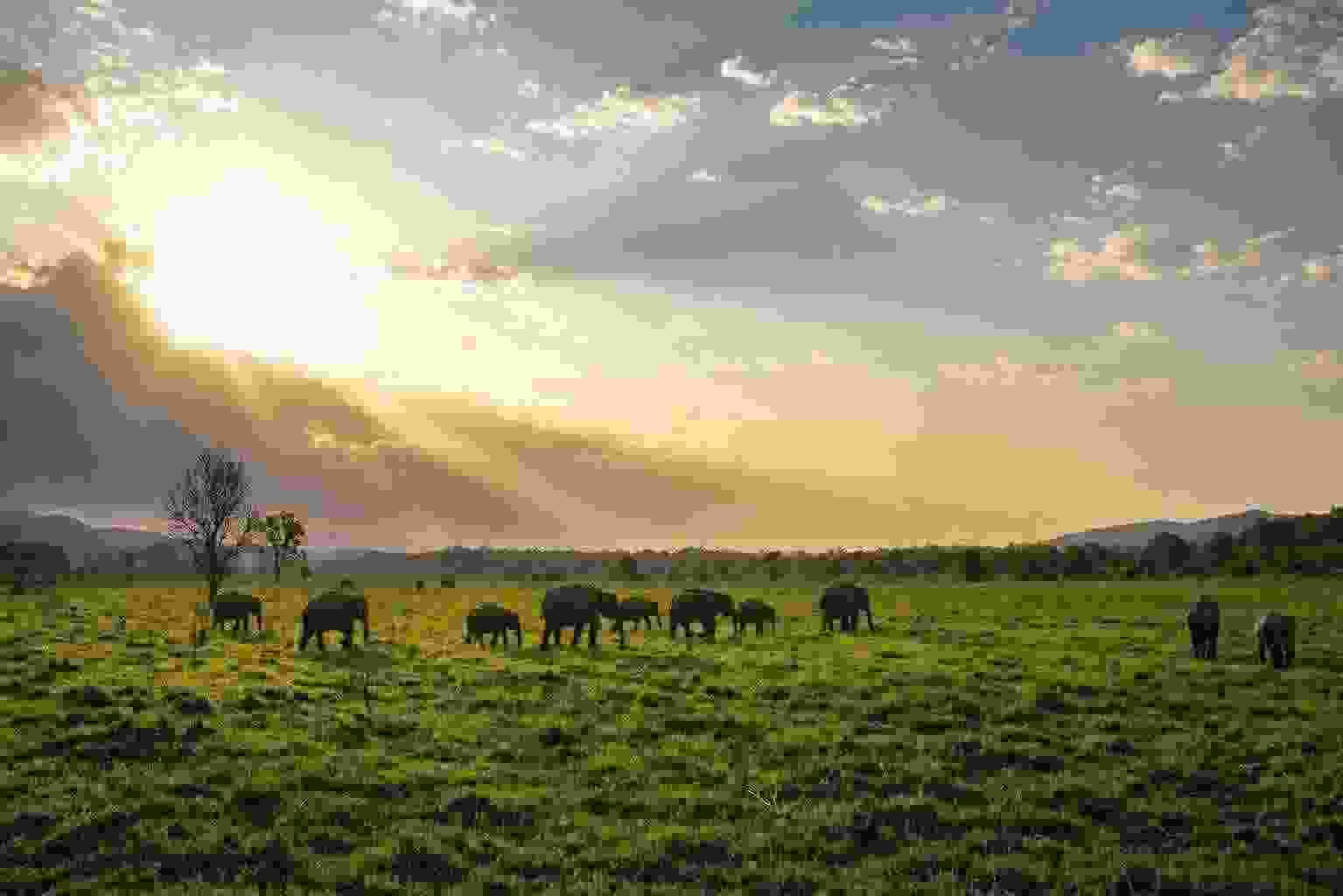
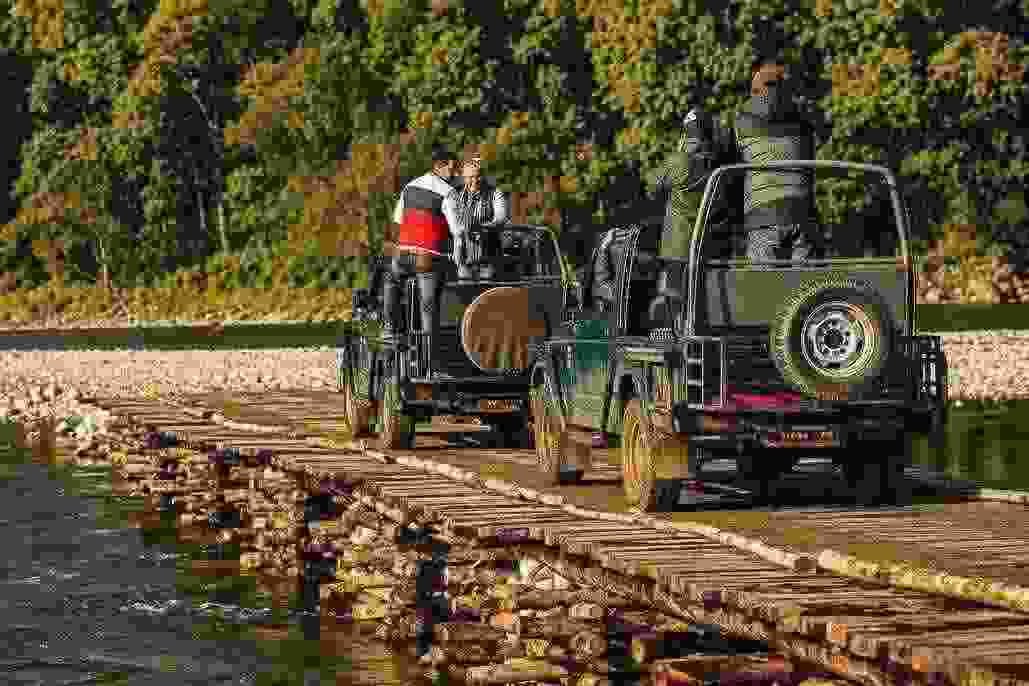
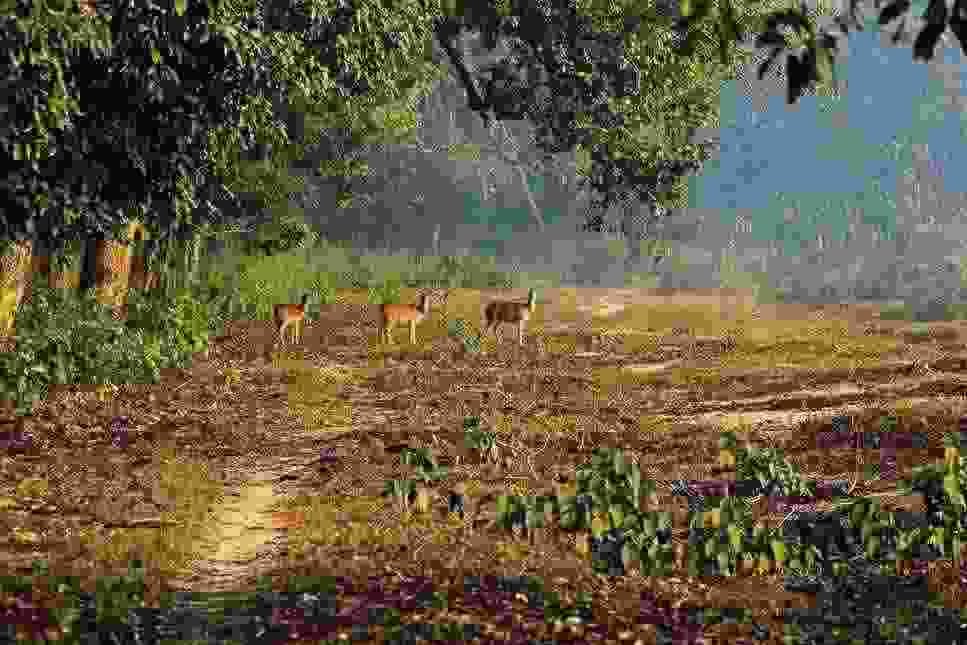
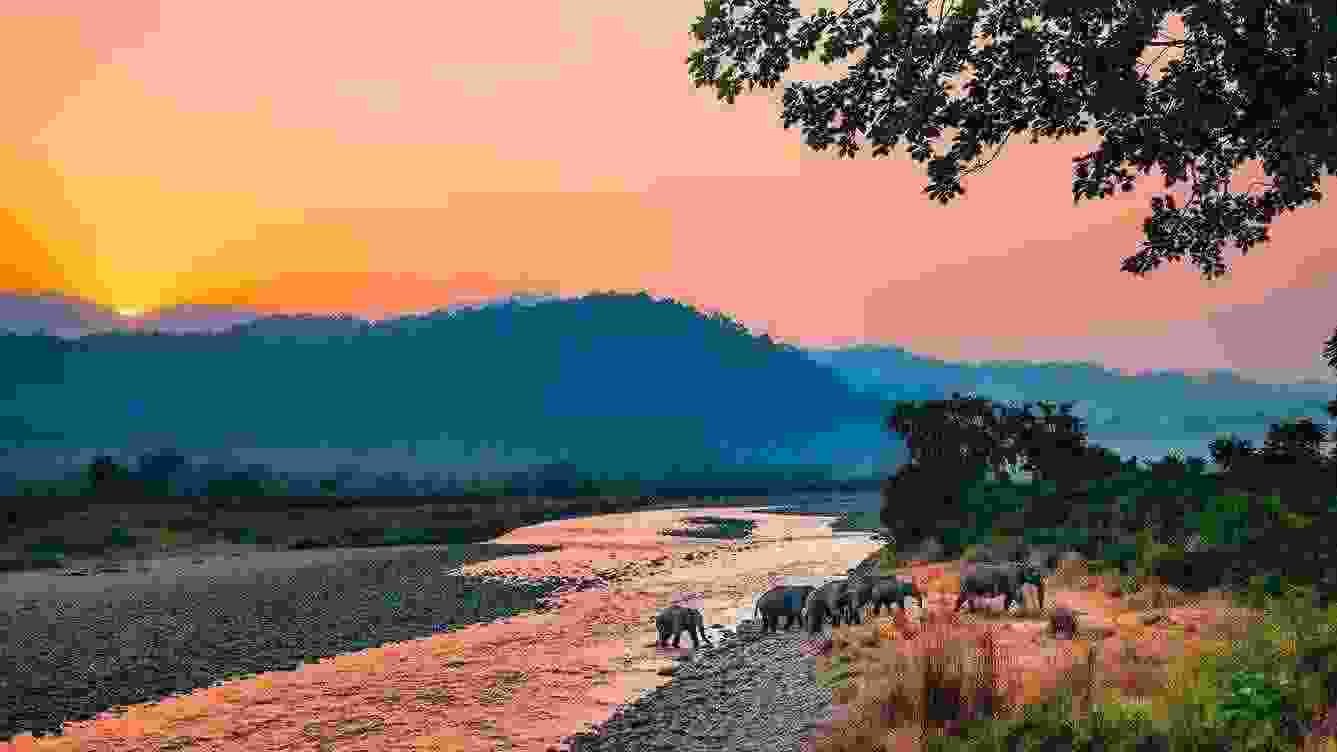
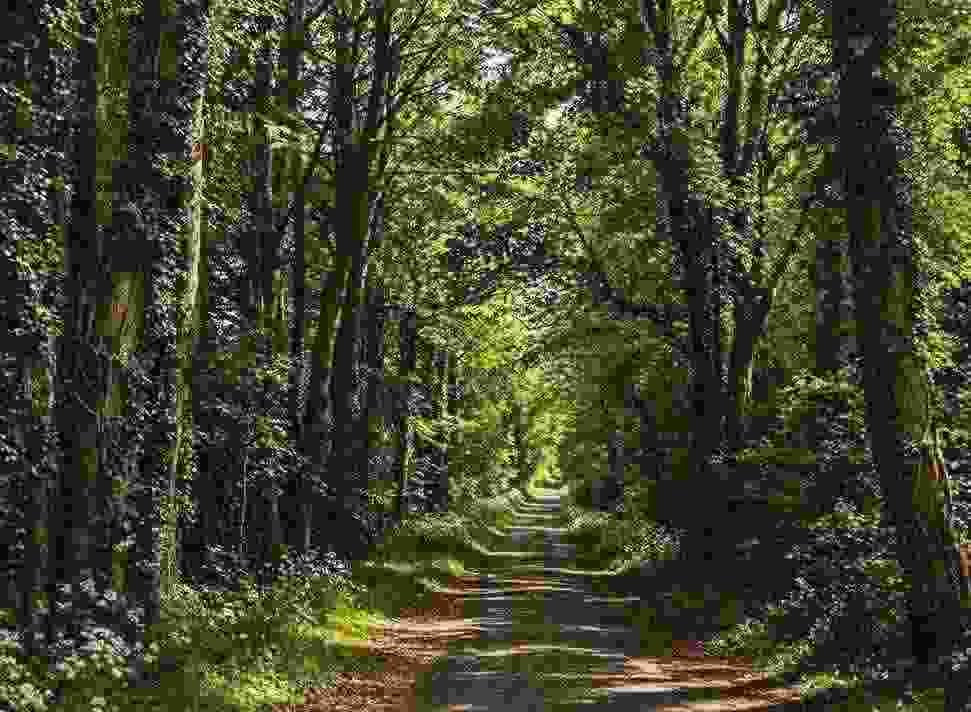
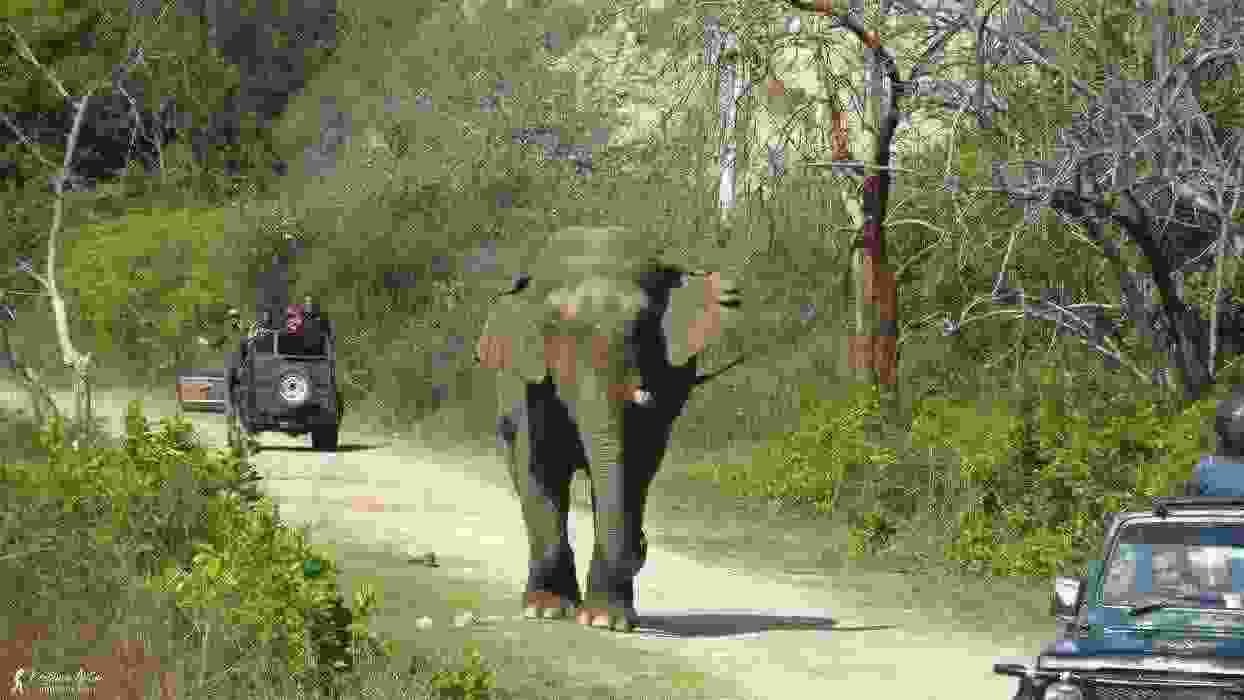
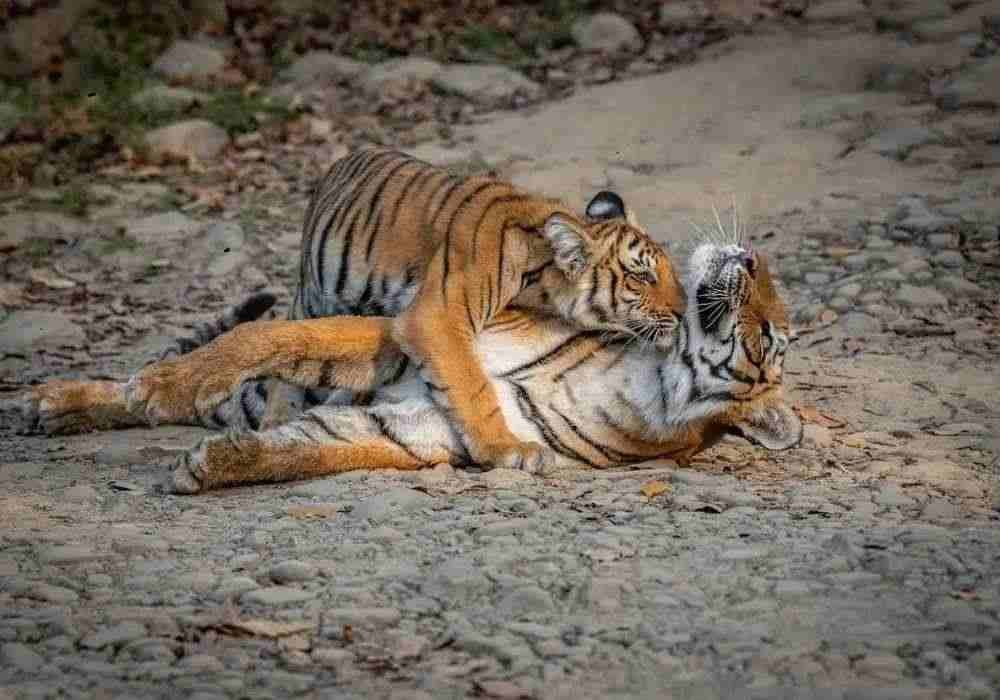
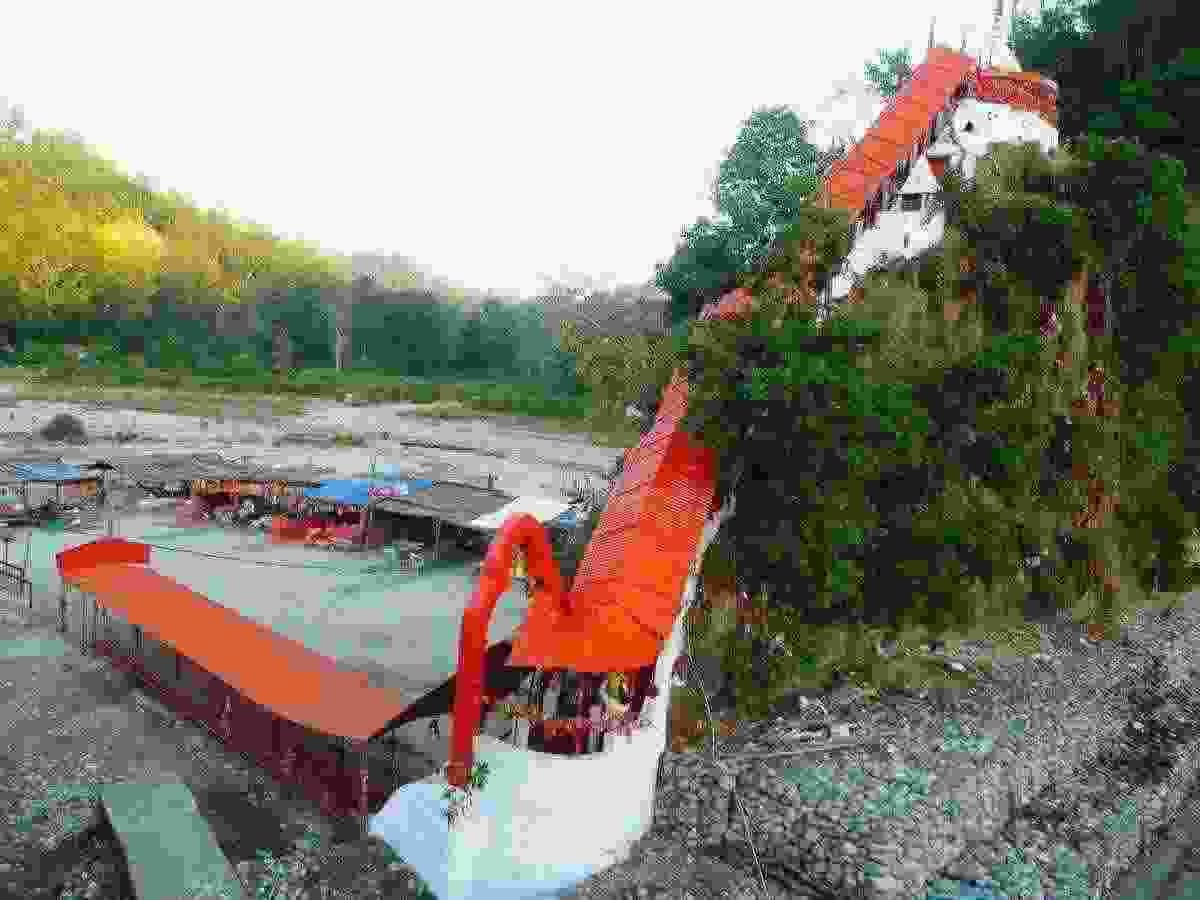
Jim Corbett National Park, India's oldest and one of the most celebrated wildlife reserves, is divided into several safari zones, each offering a unique landscape and wildlife experience. These zones are carefully managed to balance conservation with tourism, making the park a haven for both nature lovers and adventure seekers.
There are six main safari zones in Corbett: Dhikala, Bijrani, Jhirna, Dhela, Durga Devi, and Garjiya. Each has its own charm and varying chances of spotting wildlife like Bengal tigers, elephants, leopards, deer, sloth bears, and hundreds of bird species.
Dhikala Zone is the largest and most popular, known for its rich biodiversity and scenic grasslands. An overnight stay is required here, offering the most immersive experience.
Bijrani Zone is close to Ramnagar and famous for frequent tiger sightings. It features beautiful sal forests and open grasslands.
Jhirna Zone is open year-round and ideal for tourists visiting off-season. It is home to sloth bears, wild boars, and a wide range of birds.
Dhela Zone, added more recently, is known for its rich birdlife and tranquil setting.
Durga Devi Zone is hilly and ideal for birdwatchers and those looking for a quiet safari experience.
Garjiya Zone, near Bijrani, is also gaining popularity for its sightings and accessibility.
FAQs - Safari Zone
Jim Corbett National Park is divided into 8 safari zones, each covering a distinct section of the park's terrain. The zones covered in packages on this page are Dhikala, Bijrani, Jhirna, Dhela, Durga Devi, Sitabani, Phanto (also known as Pakhro), and Garjiya. Each zone has its own entry gate, permitted vehicle count, and seasonal access rules. Dhikala is the only zone that requires an overnight stay inside the park; all other zones operate as day safari zones with morning and afternoon slots. Package prices range from ₹3,200 (Dhikala) to ₹8,700 (Durga Devi) per person for 1 Night / 2 Days.
Bijrani and Dhikala consistently record the highest tiger sighting frequency among all zones. Bijrani's mix of open sal forest and grassland chaurs creates excellent visibility conditions, and its proximity to Ramnagar makes it heavily visited but highly productive. Dhikala, located deep in the park's core area, has the highest density of wildlife overall — tiger, elephant, gharial, and marsh crocodile sightings are all common here — but access is limited to guests staying at the Dhikala Forest Rest House or our partner properties with overnight permits. Jhirna is a reliable backup during the monsoon months when most other zones close, and it has a strong record of leopard and sloth bear sightings.
Jhirna and Sitabani are the only zones open throughout the year, including the monsoon months of July to September when all core zones are closed. This makes them the go-to choice for visitors who can only travel in monsoon. Bijrani, Garjiya, and Dhela are open roughly from October to June. Dhikala and Durga Devi follow a similar seasonal window but with stricter entry caps. Phanto Zone, being a newer and less-trafficked zone near Kotdwar, operates on its own schedule. Our team confirms current zone availability and permit status at the time of booking, as the forest department occasionally adjusts access dates.
Dhikala is the largest and most ecologically rich zone in the park, occupying the core area along the Ramganga Reservoir. The grassland meadows here — known as chaurs — are among the finest tiger and elephant habitats in India. Because Dhikala is deep inside the park and accessed via a long internal road from Dhangari Gate, day visits are not logistically viable. Tourists must stay overnight at the Dhikala Forest Rest House or designated resort accommodation within the zone, allowing for both an evening and a morning safari in one trip. This makes it the most immersive and rewarding zone for serious wildlife photographers and naturalists.
Durga Devi Zone is the standout choice for birdwatching. Located in the northeastern part of the park along the Mandal River gorge, its hilly terrain and dense riverine forest support an exceptional diversity of Himalayan bird species including the Pallas's fish eagle, red junglefowl, great hornbill, and numerous warblers and flycatchers. Dhela Zone is also excellent for birds, particularly waterbirds and raptors, given its wetland patches. Sitabani, as a buffer zone forest reserve rather than a core wildlife zone, allows longer and quieter nature walks alongside its safari — particularly useful for birding at a relaxed pace.
Click "View Details" on any zone listed on this page to see the full itinerary, included safari details, accommodation, and per-person pricing. If you are unsure which zone suits your priorities — tiger sightings, birdwatching, monsoon travel, photography, or a first-time visit call and our team will recommend the right zone based on your travel dates, group size, and wildlife interests. Safari permits at Dhikala and Bijrani fill up weeks in advance during peak season (February–May and October–November), so early booking is strongly advised for these zones.