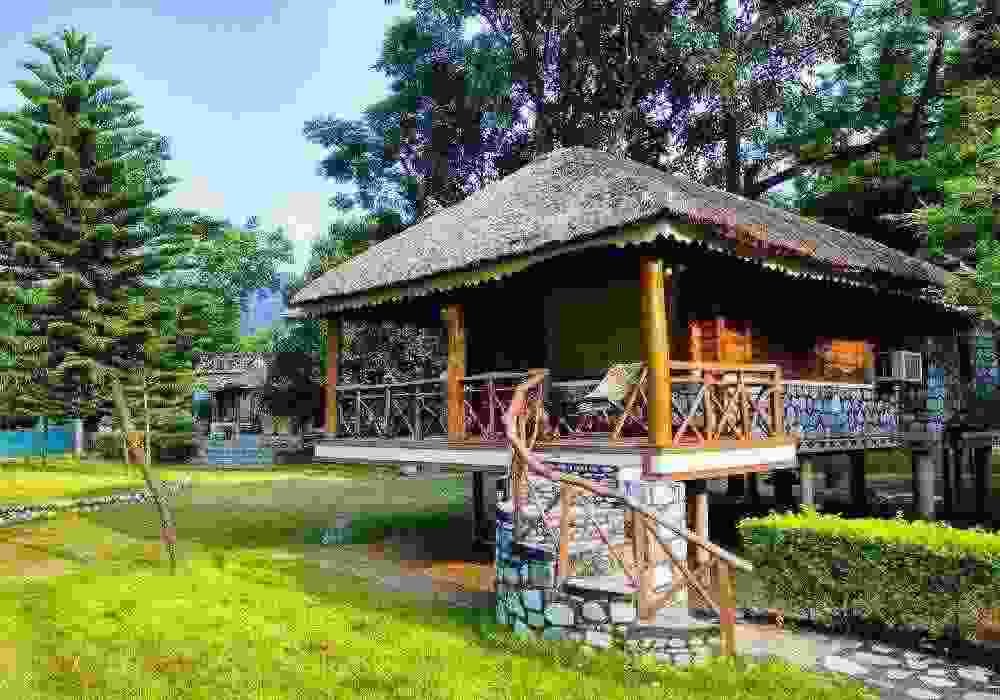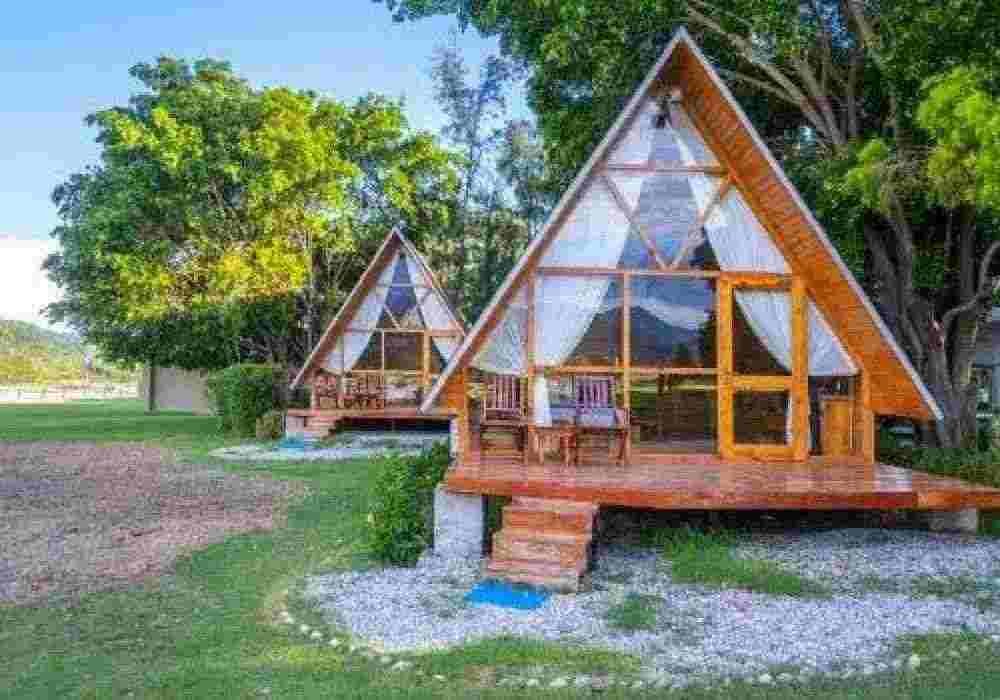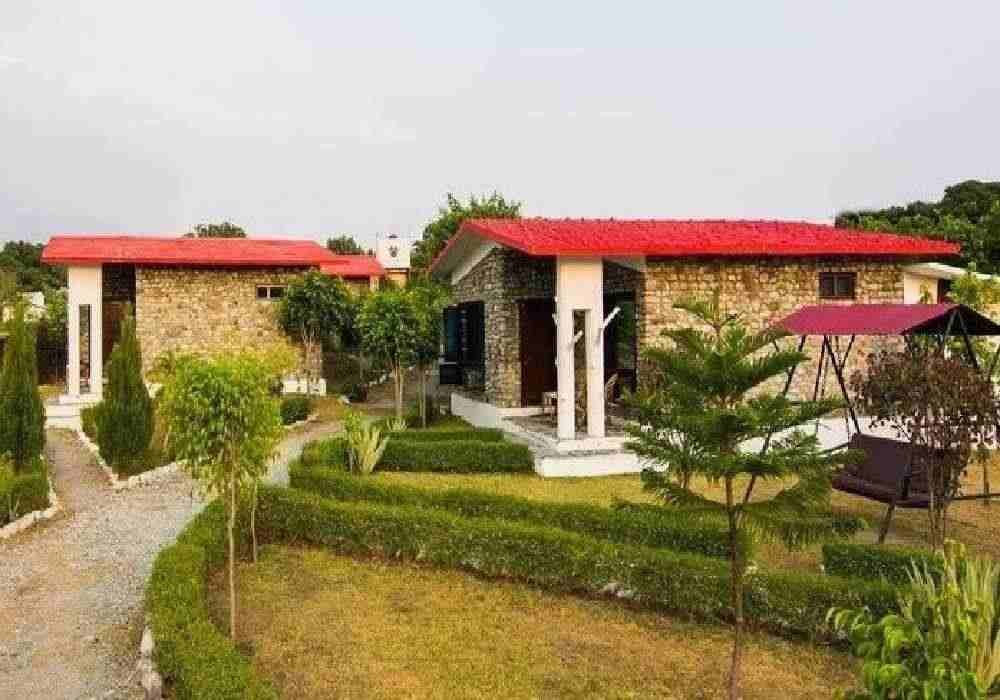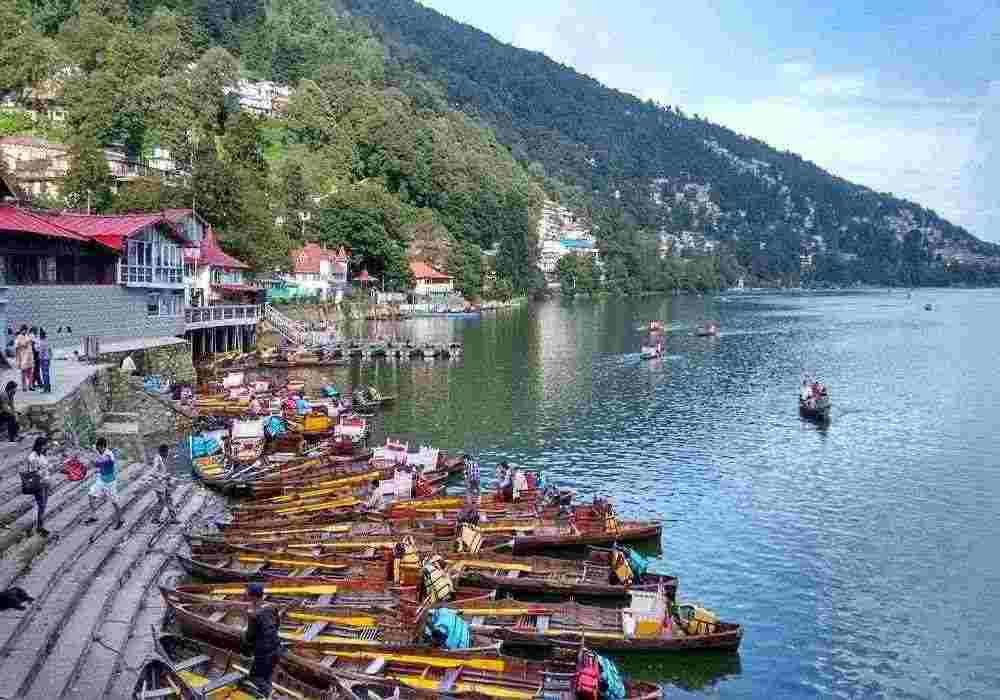
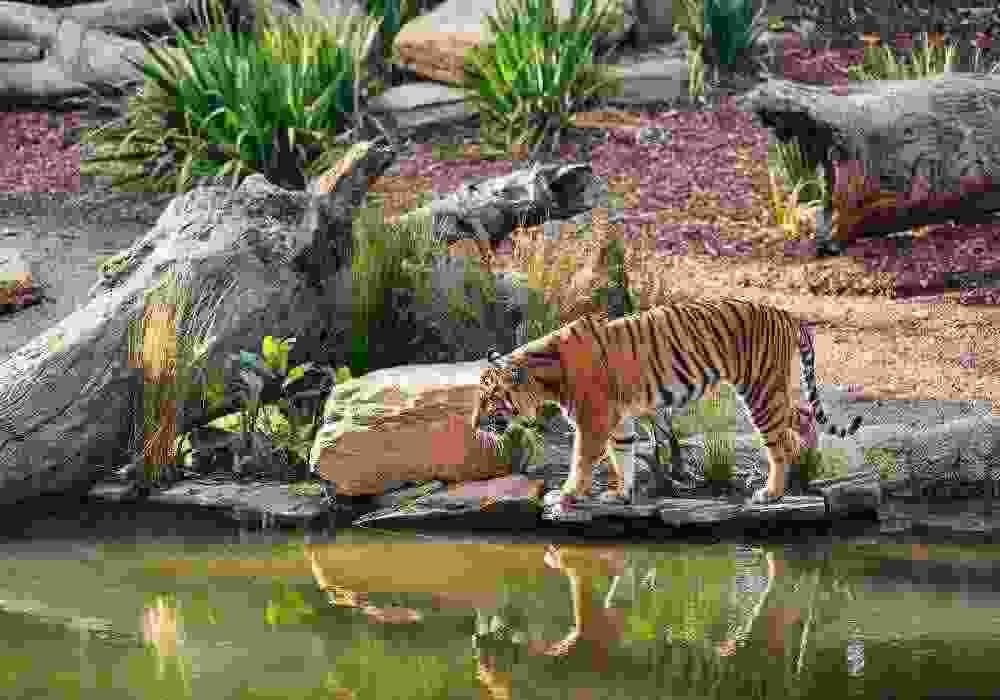
Delhi to Jim Corbett Tour Package
Jim Corbett
2 Nights / 3 Days
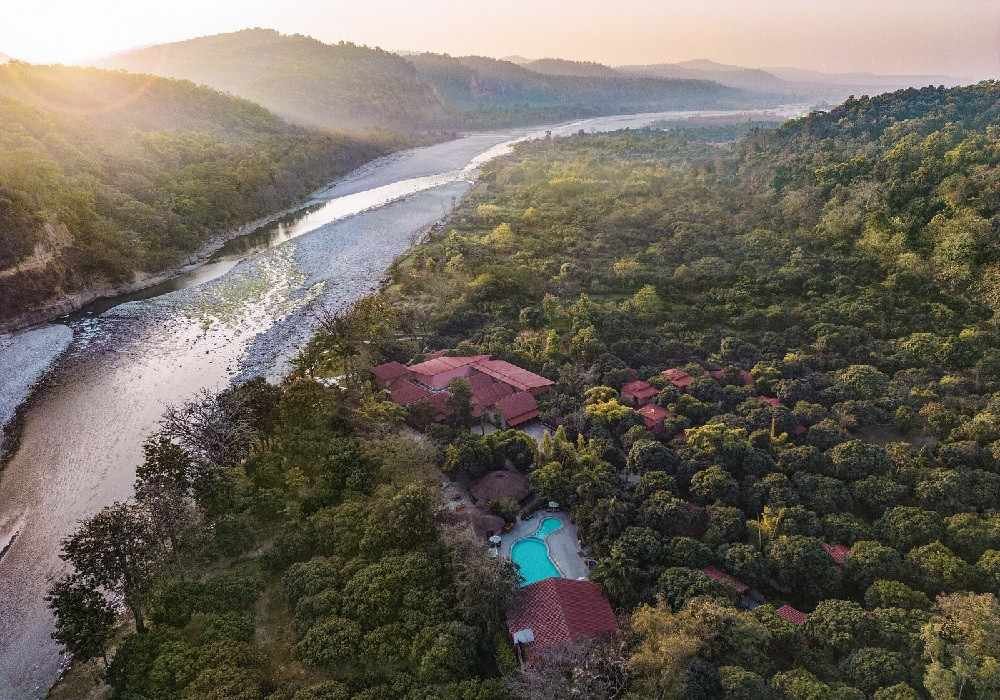
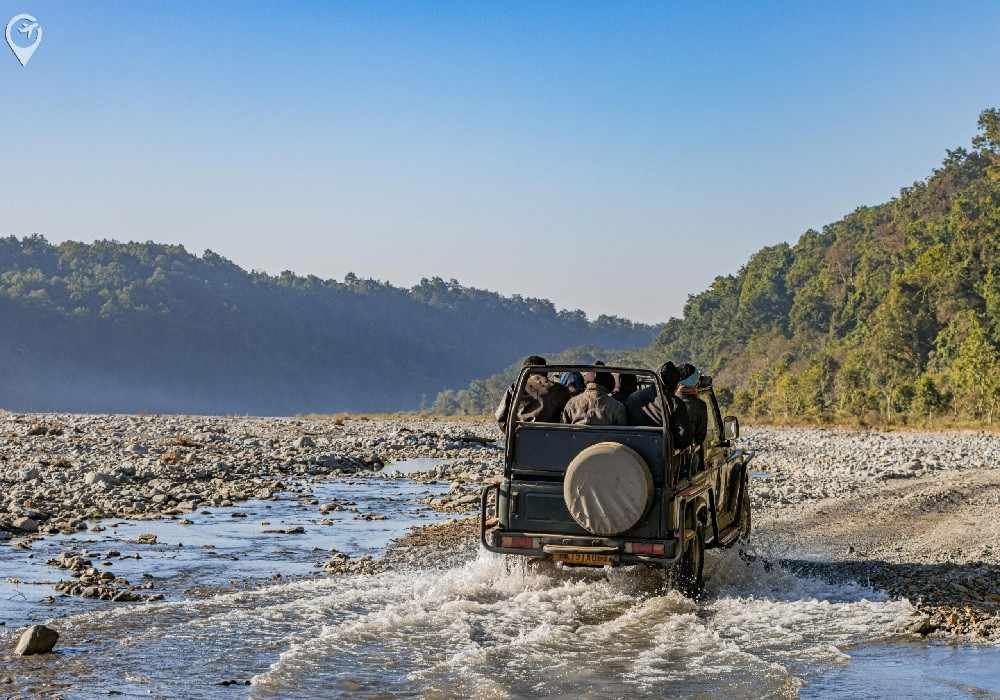
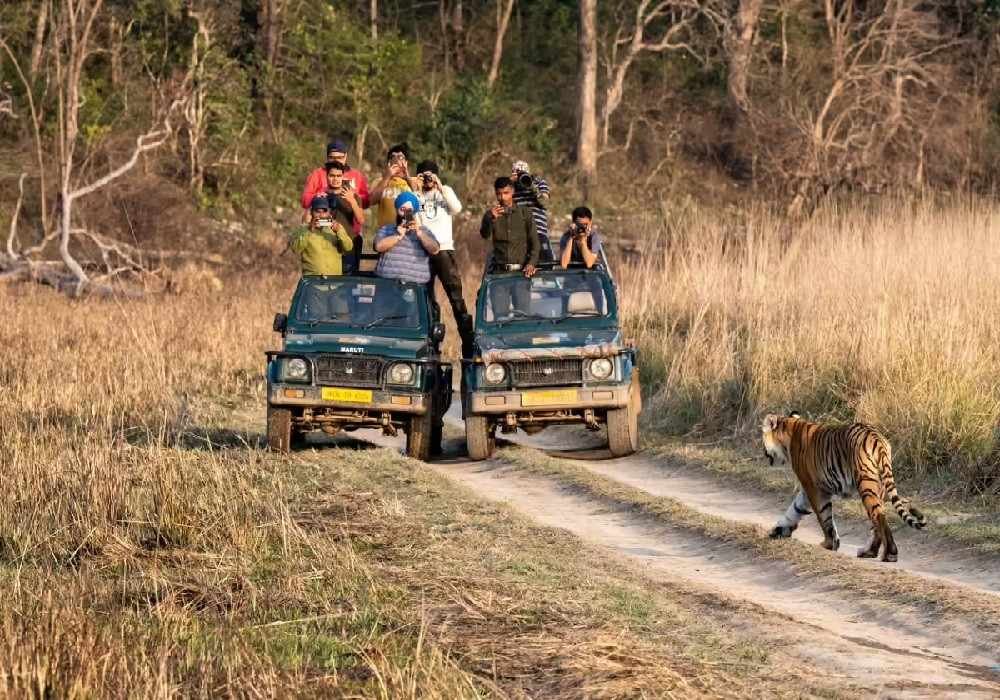
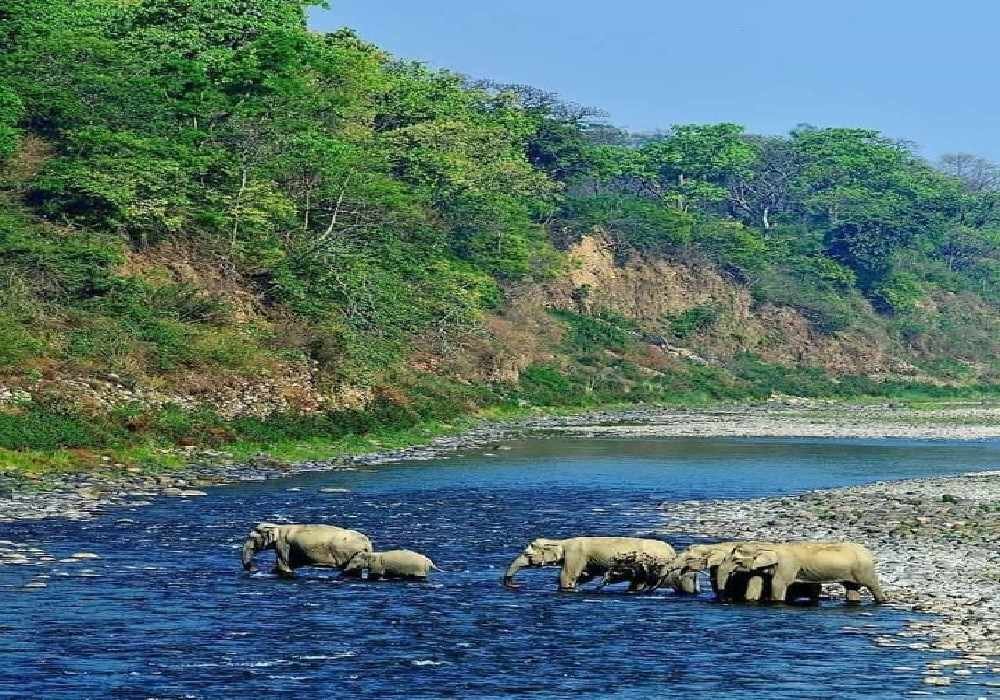
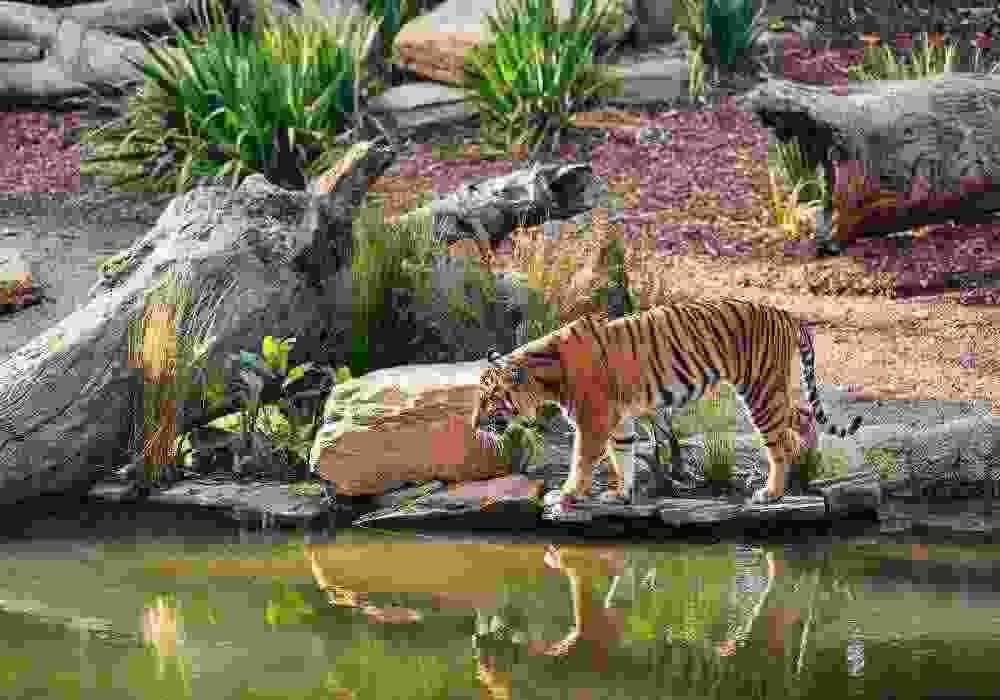
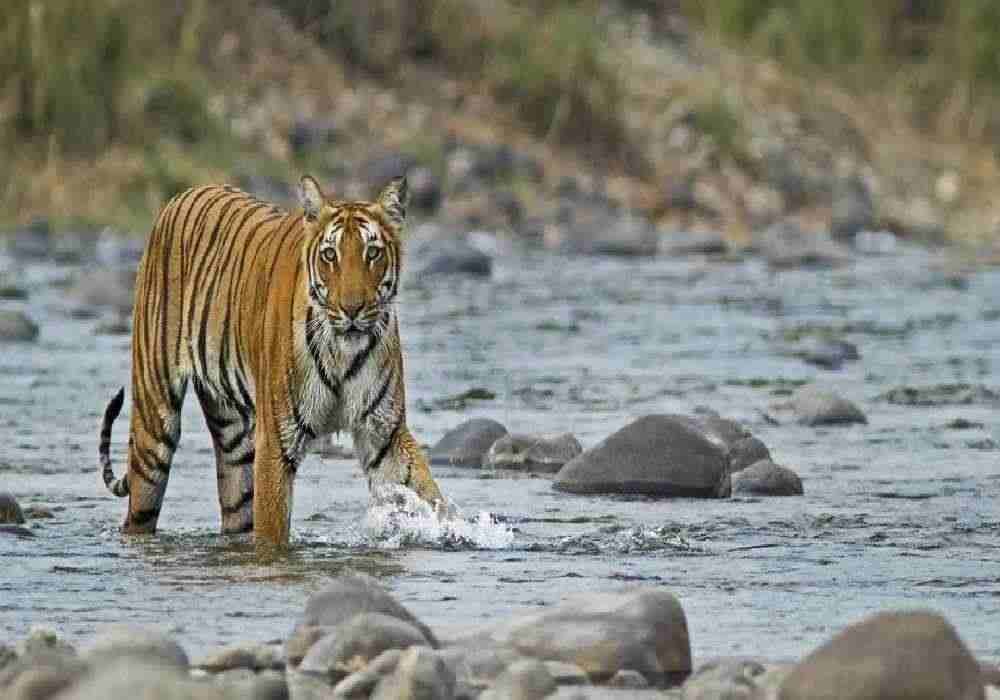
Jim Corbett National Park, located in the Nainital district of Uttarakhand, is one of the most famous wildlife destinations in India. Established in 1936 as Hailey National Park, it was later renamed after the legendary hunter-turned-conservationist Jim Corbett. Spread over 520 square kilometers, the park is a haven for nature lovers, adventure seekers, and wildlife photographers. Known as the first Project Tiger Reserve in India, it is home to the majestic Royal Bengal Tiger, along with more than 600 species of birds, 50 species of mammals, and a diverse range of flora and fauna.
Why Visit Jim Corbett National Park?
Jim Corbett is not just a national park – it is a blend of wilderness, adventure, and natural beauty. Tourists from across the globe visit this iconic destination for:
Safari Zones in Jim Corbett
Jim Corbett National Park is divided into six main safari zones, each offering unique landscapes and wildlife experiences:
When travelers visit Jim Corbett National Park, they don't just come for wildlife safaris – they also experience the rich art and culture of Uttarakhand. The region, nestled in the Kumaon and Garhwal ranges of the Himalayas, is known for its unique traditions, colorful festivals, soulful music, and handicrafts. This cultural backdrop enhances the travel experience, making a trip to Corbett both adventurous and meaningful.
Music & Dance Traditions :
Architecture & Heritage :
Uttarakhand's cultural landscape includes temples, forts, and heritage villages:
1. Dhikala Zone
2. Corbett Waterfalls
3. Garjiya Devi Temple
4. Corbett Museum
Ideal For: History buffs, students, and wildlife lovers.
5. Bijrani Zone
Jim Corbett National Park, located in Uttarakhand, is a paradise for wildlife enthusiasts, adventure seekers, and nature lovers. While it is famous for its Bengal tigers, the park offers a wide range of activities that make it an exciting destination for all kinds of travelers. From thrilling safaris to peaceful nature walks, Jim Corbett has something for everyone.
Whether you are visiting with family, friends, or on a solo adventure, knowing the top things to do in Jim Corbett will help you plan an unforgettable trip :
Things to Do :
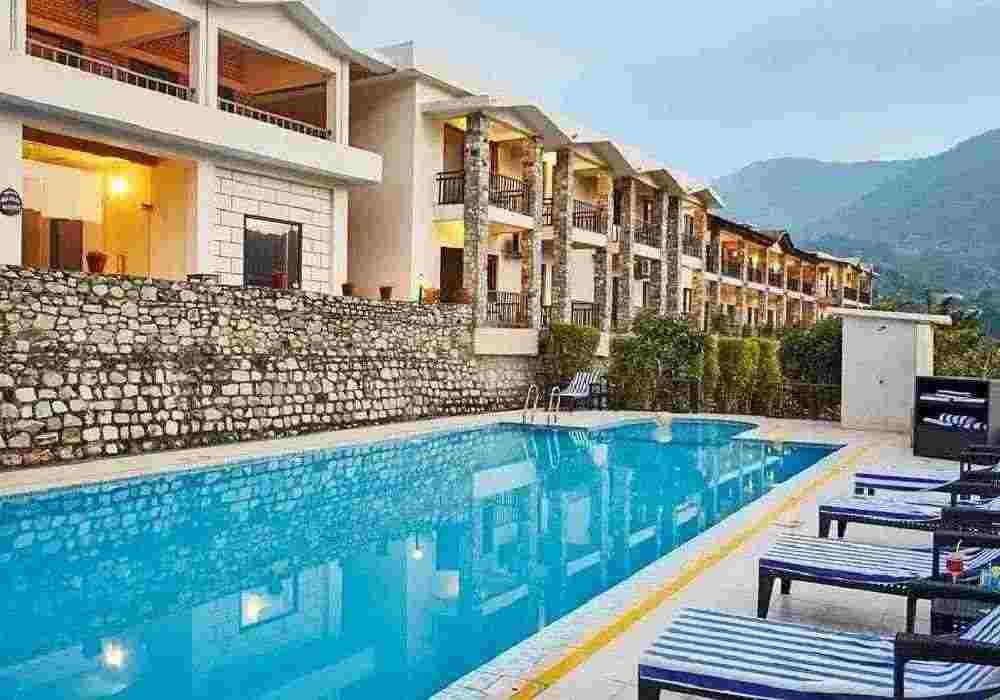
Jim Corbett National Park is India's oldest and most celebrated national park, established in 1936 as Hailey National Park and later renamed after the legendary hunter-turned-conservationist Jim Corbett. Spread over 520 square kilometres in the Nainital district of Uttarakhand, it is famous primarily for being the first Project Tiger Reserve in India and for offering the highest chances of spotting the Royal Bengal Tiger in its natural habitat. Beyond tigers, the park is renowned for its extraordinary biodiversity encompassing over 600 species of birds, 50 species of mammals including Asian elephants, leopards, gharials, and wild boars, and stunning landscapes of dense Sal forests, scenic grasslands, and rivers including the Kosi and Ramganga. Jim Corbett is equally well known for its luxury riverside resorts, jungle lodges, jeep and canter safaris, river rafting, trekking, birdwatching, camping, and the culturally significant Garjiya Devi Temple on the banks of the Kosi River.
Jim Corbett National Park is divided into six main safari zones, each offering distinct wildlife and landscape experiences. Dhikala Zone is the largest and most popular zone, known for the highest probability of tiger and elephant sightings, and offers both canter safaris and stays in forest rest houses — though it is open only during the dry season from November to June. Bijrani Zone is preferred for jeep safaris and is rich in wildlife with frequent tiger sightings amid dense forests and scenic rivers. Jhirna Zone is the only zone open year-round and is particularly known for sloth bear sightings and birdwatching. Dhela Zone is a newer addition with dense forest cover, ideal for spotting wild elephants and leopards. Durga Devi Zone is renowned for birdwatching and river species along the Ramganga River. Sitabani Forest Reserve is a buffer zone outside the main park boundary, perfect for trekking, temple visits, and birdwatching, and has no entry permit requirements.
The best time to visit Jim Corbett National Park is from November to June, when the park's major zones including Dhikala and Bijrani are open and wildlife sightings are most frequent. November to February offers cool and pleasant weather, making it comfortable for jeep safaris, birdwatching, and outdoor activities. March to June is considered the peak wildlife season, as the dry conditions cause animals to congregate around water sources, significantly increasing the chances of tiger and elephant sightings. The Jhirna Zone remains open year-round, making it an option for visitors during the monsoon months from July to October when the rest of the park is closed. The monsoon season, while bringing lush greenery to the forest, restricts safari access across most zones due to waterlogging and park closure policies.
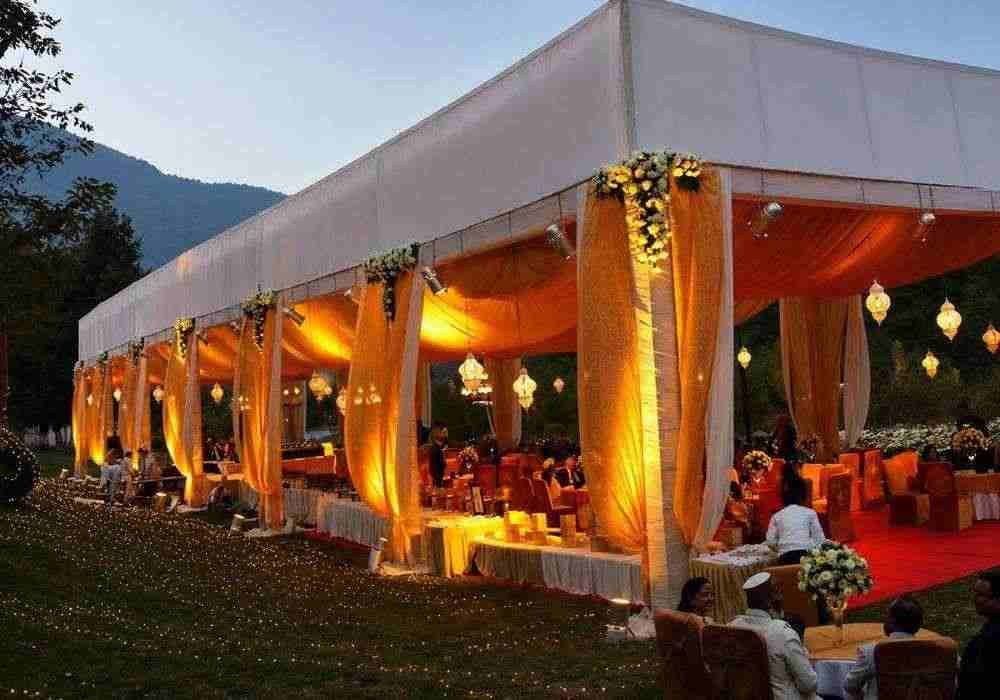
While tiger safaris are the primary draw, Jim Corbett offers a wide range of activities beyond wildlife spotting. Visitors can enjoy birdwatching across the park's diverse habitats to spot species from among its 600-plus bird varieties; trekking on nature trails through dense Sal and mixed forests; river rafting and picnics along the scenic Kosi and Ramganga rivers; visiting Corbett Waterfalls including Kumeria Waterfall and Corbett Falls for trekking and photography; exploring the Corbett Museum in Kaladhungi to learn about Jim Corbett's life, legacy, and conservation history; visiting the Garjiya Devi Temple for spiritual and cultural experiences with stunning riverside views; camping at jungle camps for bonfire nights and immersive wildlife experiences; and photography tours specifically designed for capturing the park's wildlife, landscapes, and bird species at dawn and dusk.
Jim Corbett National Park is located approximately 250 to 260 kilometres from Delhi, making it one of the most accessible major wildlife destinations from the capital. The journey by road takes approximately 5 to 6 hours via NH9 through Moradabad and Kashipur to Ramnagar, which is the gateway town to the park. The nearest railway station is Ramnagar, approximately 12 kilometres from the park entrance, with direct train services operating from Delhi's Anand Vihar and Moradabad stations. The nearest airport is Pantnagar Airport, approximately 80 kilometres away, with connecting flights from Delhi. Delhi to Jim Corbett tour packages start from ₹14,500 per person for a 2-night and 3-day itinerary. New Year packages at Jim Corbett start from ₹19,434 per person, and destination wedding packages at Jim Corbett are also available for those seeking an exclusive jungle wedding experience.

Fill up the form below and we will get back to you soon.
This site is protected by reCAPTCHA and the
Google Privacy Policy and Terms of Service apply.