
Delhi to Pangoot Tour Package
Pangoot
2 Nights / 3 Days

Pangoot is a quiet hill village near Nainital in Uttarakhand. It is known for its dense forests, Himalayan views, peaceful surroundings, and rich birdlife. Unlike the busy areas of Nainital, Pangoot feels calm and close to nature.
If you are looking for Places To Visit in Pangot, you will find that the area is more about forests, birds, walking trails, viewpoints, and small mountain experiences than crowded tourist attractions. The nearby Kilbury area is especially popular for bird watching and nature walks.
Pangoot is also a good base for exploring several places to visit near Pangot and the main attractions of Nainital. With a little planning, you can enjoy both the quiet village atmosphere and the famous sights around Nainital.
The biggest attraction of Pangoot is its peaceful natural setting.
There are no large commercial attractions dominating the landscape. Instead, the experience comes from small moments: walking beneath oak trees, hearing birds in the forest, watching clouds move across the hills or sitting quietly with a mountain view.
This is why Pangot sightseeing is better approached at a relaxed pace.
Trying to cover too many places in a few hours can actually take away from the experience. Give yourself time to stop, walk and observe.
Pangot is a small mountain village, so its art and culture are closely connected with the natural surroundings and traditional life of the Kumaon region. You may not find large museums or organised cultural shows here, but the local way of life itself offers a glimpse into Uttarakhand's rich heritage.
Pangot reflects the simple lifestyle of the Kumaon hills. Local homes, farming practices, traditional food and village customs are all part of the area's cultural character. People visiting Pangot can notice the quiet and community-based way of life that is common in many Himalayan villages.
Food is an important part of Kumaoni culture. Traditional dishes such as bhatt ki dal, aloo ke gutke, madua roti, bhang ki chutney and ras are associated with the wider Kumaon region. Local food is generally simple and made with ingredients that suit the mountain climate.
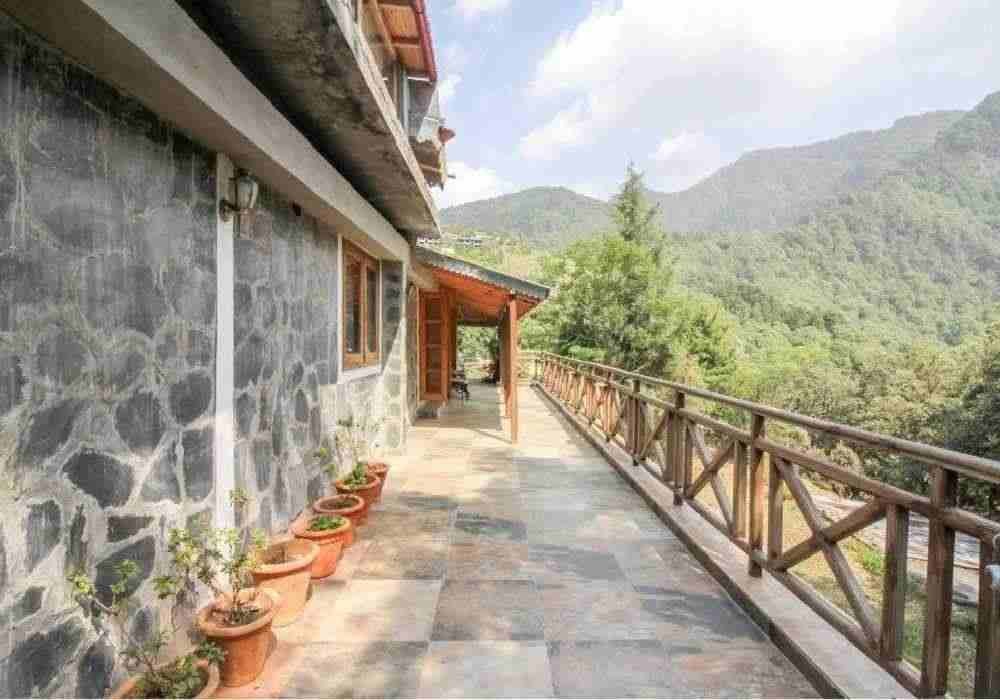
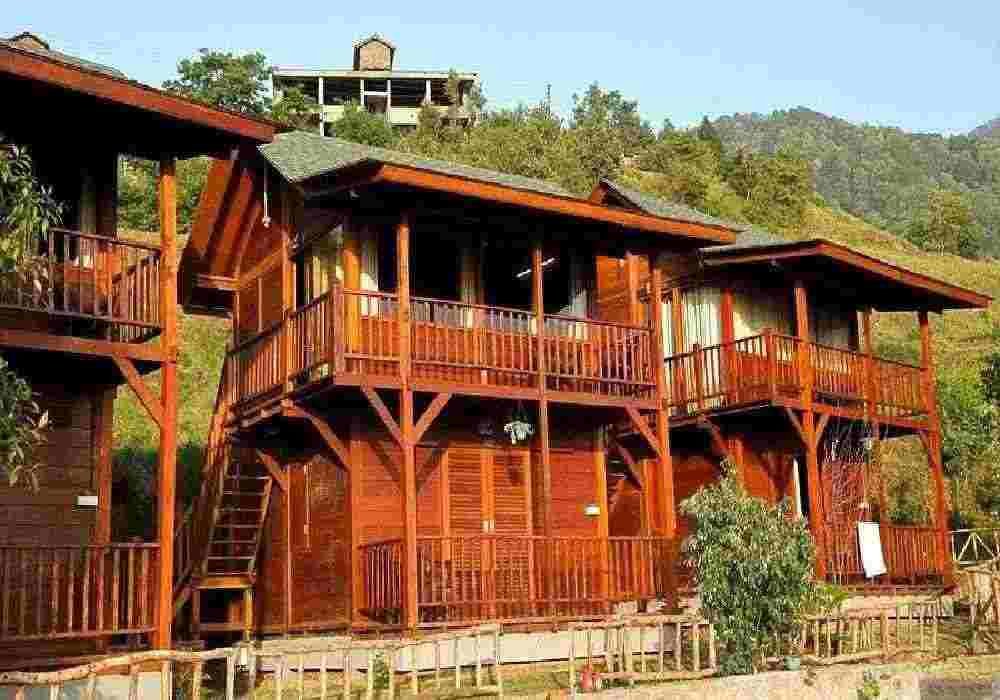
Traditional houses in the region often use locally available stone and other natural materials. Older homes may feature wooden details and sloping roofs designed for the hill environment. Walking through the surrounding villages can give visitors a better sense of traditional Kumaoni architecture than simply visiting commercial tourist areas.
Handwoven woollen products, wooden items and traditional handicrafts are part of the wider cultural heritage of Kumaon. While Pangot itself is not a major handicraft market, you may find locally made products in nearby towns and villages.
Festivals bring together the cultural traditions of the region. Harela, Phool Dei, Nanda Devi-related celebrations and other Kumaoni festivals are important parts of local culture. The exact celebrations and dates can vary from place to place.
For travellers interested in Art & Culture in Pangot, the best approach is to observe local life respectfully, interact with residents when appropriate and explore the wider Kumaon region. The culture here is subtle and closely linked to the mountains, forests and everyday life rather than large tourist performances.
Pangoot may be a small destination, but its natural setting gives you many reasons to spend time here. The following are some of the most interesting Pangot tourist places and attractions in the surrounding area.
Kilbury is one of the most important places to explore near Pangoot. It is part of the Naina Devi Himalayan Bird Conservation Reserve and is known for its rich birdlife.
The forests around Kilbury are home to many Himalayan birds. Depending on the season and your luck, you may spot species such as woodpeckers, flycatchers, pheasants, barbets and other mountain birds.
The best way to experience Kilbury is slowly. Keep your voice low, walk carefully and look into the trees instead of rushing from one point to another.
For people interested in bird watching in Pangoot, Kilbury is one of the main attractions.
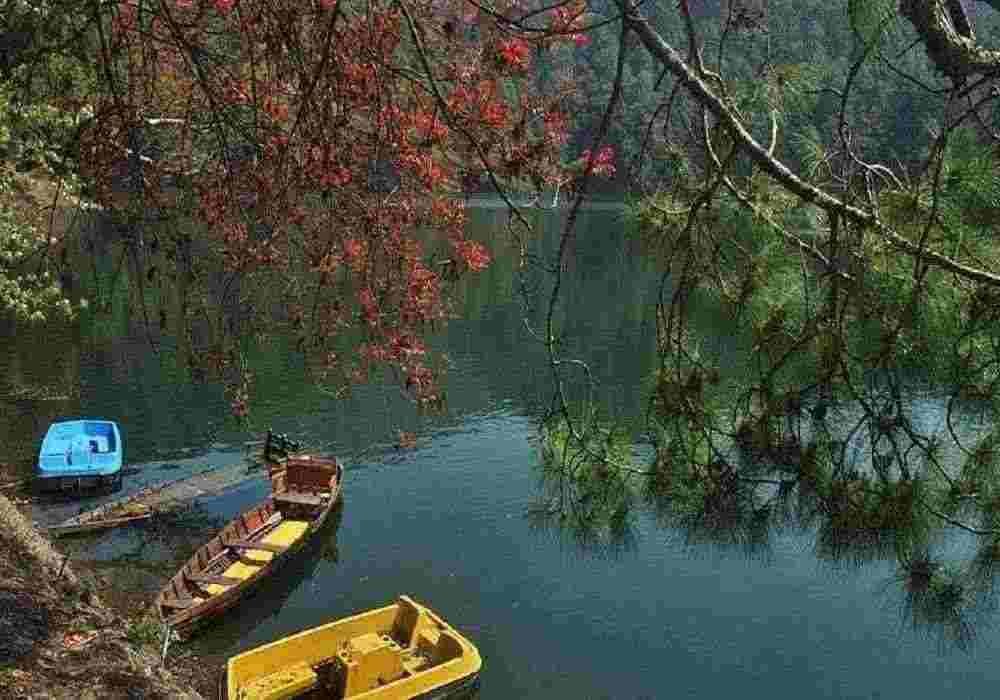
The forests are the real attraction of Pangoot. Oak, rhododendron and other Himalayan trees cover much of the landscape.
A walk through these forests can feel very different from sightseeing in a busy hill station. You may hear birds calling from the trees, see changing mountain light and find quiet spots with views of the surrounding hills.
The forest is also one of the reasons Pangoot is popular with travellers who prefer nature and peaceful surroundings.
If you enjoy photography, early morning is a particularly good time to explore. The soft light, mist and tall trees can create beautiful natural scenes.
Pangoot has gained a reputation among bird lovers because of its location close to the Himalayan forests around Kilbury.
You do not always need a special tour to enjoy bird watching. Even a quiet walk around the forested areas can bring interesting sightings.
Carry binoculars if you have them. A small notebook can also be useful if you want to record the birds you see.
Bird watching here requires patience. Instead of trying to cover many locations quickly, spend some time in one quiet area. Early morning usually offers the best opportunity because birds are more active.
One of the simple pleasures of Pangoot is finding a quiet place to look across the hills.
On clear days, the landscape opens up to layers of Himalayan mountains and forested slopes. The exact visibility depends heavily on weather and season.
There may not be a large viewpoint with shops and crowds at every location. In Pangoot, the natural surroundings themselves are often the attraction.
This makes the area a good choice for travellers who enjoy sitting quietly, taking photographs or watching the changing colours of the mountains.
The larger conservation area around Pangoot and Kilbury is important for Himalayan birdlife and forest ecosystems.
The reserve is not simply a sightseeing spot. It represents the natural environment that makes Pangoot special.
While exploring the area, visitors should avoid loud music, littering and disturbing birds or animals. Stay on suitable paths and respect the forest.
For anyone researching Pangoot tourist attractions, understanding this conservation landscape is important because nature is the main reason people come here.
Pangoot is not a destination where you need a long list of commercial activities. The best experiences are simple and connected with nature.
Bird watching is one of the main reasons people visit Pangoot.
Carry binoculars if possible and start your walk early. Avoid making noise and give yourself enough time to observe the trees.
Even if you are not a serious bird watcher, it can be a relaxing activity.
Walking through the forest is one of the easiest ways to understand Pangoot.
The trails and forest roads offer a chance to enjoy oak and rhododendron trees, mountain air and birdsong.
Wear comfortable shoes because some paths can be uneven.
Clear mornings can offer beautiful views of the surrounding mountains.
Keep your camera ready, but also spend some time simply enjoying the landscape. Mountain weather can change quickly,
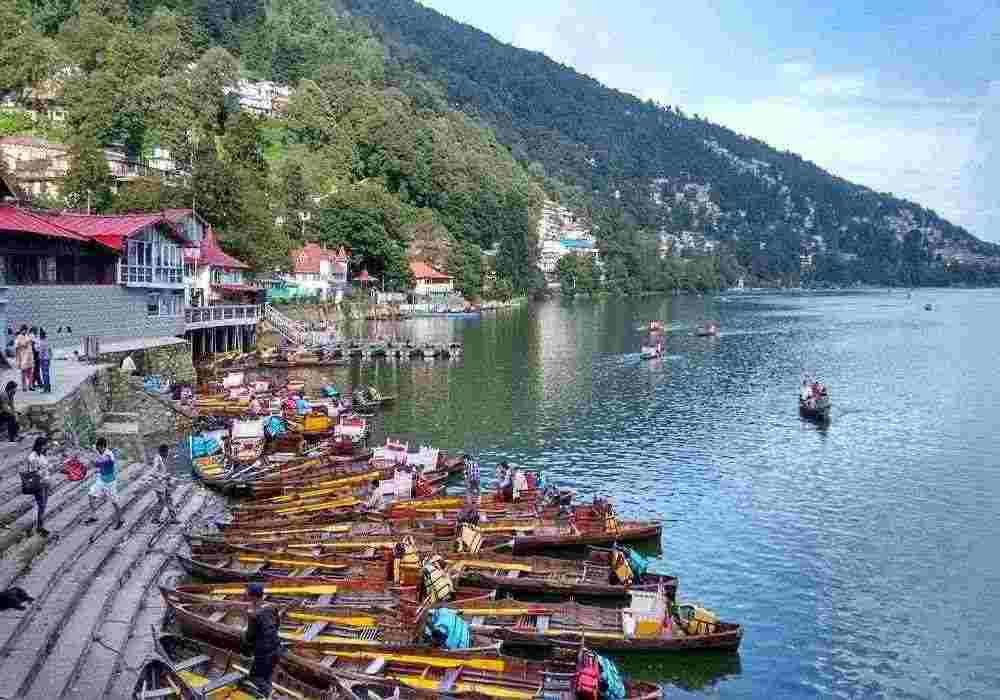
Kilbury Bird Sanctuary, Pangot forests, bird watching areas and Himalayan viewpoints are among the best attractions around Pangot. Nearby Nainital also has attractions such as Nainital Lake, Tiffin Top, Snow View Point and Land's End.
Yes. Pangot is worth visiting if you enjoy forests, birds, mountain views and peaceful surroundings. It is especially suitable for travellers who want a quieter alternative to busy hill stations.
Pangot is roughly 15–20 km from Nainital, depending on the exact route and location. Travel time can vary with road conditions, traffic and weather.
Pangot is mainly known for its Himalayan forests, bird watching, natural surroundings and proximity to Kilbury. It is considered a good destination for nature lovers and bird enthusiasts.
Yes. Pangot and the nearby Kilbury forests are well known for Himalayan birdlife. Early morning is generally a good time for bird watching.
Nainital Lake, Snow View Point, Tiffin Top, Land's End, Eco Cave Gardens and Naina Devi Temple are some of the popular places to visit near Pangoot.
Yes. Their close location makes it practical to explore both during the same trip. Pangoot offers a peaceful forest experience, while Nainital provides lake views, markets, temples and traditional sightseeing.
March to June and October to November are generally comfortable periods for sightseeing and nature activities. Winter is suitable for travellers who enjoy cold weather, while monsoon travel requires more attention to weather and road conditions.
Yes. Families who enjoy nature and quiet surroundings can have a good time in Pangot. Nearby Nainital also has attractions that are suitable for family outings.
Pangot can be a pleasant choice for couples who prefer quiet surroundings, forest walks and scenic mountain views rather than busy tourist areas.
Around two days is enough for a relaxed introduction to Pangot. If you want to combine it with Nainital and nearby attractions, two to three days can provide more time.
Comfortable shoes, warm clothing, water, basic medicines, sunscreen and a camera or binoculars are useful. In the rainy season, a rain jacket or umbrella is also helpful.

Fill up the form below and we will get back to you soon.
This site is protected by reCAPTCHA and the
Google Privacy Policy and Terms of Service apply.