- This is a sample
- List item
- Start Editing Here But
- Keep the formatting in this manner
- To achieve best results
- Description
- Itinerary
- Hotels
- Reviews
-
If you are looking for a short and refreshing trip within Uttarakhand, this Dehradun to Nainital & Jim Corbett Tour Package is a perfect choice. It is special because the journey starts and ends in the same state, making travel simple and comfortable. In just 3 nights and 4 days, you explore peaceful lakes, green hills, and rich wildlife. This tour is ideal for families, couples, and nature lovers from Dehradun who want to see the beautiful Kumaon region without long travel stress.
About the Tour
This Corbett Nainital Tour from Dehradun is a road trip of around 300 km. You travel from Dehradun through the Terai region and reach the calm hills of Nainital. The Dehradun to Nainital distance is about 280–300 km and takes around 7–8 hours by road.
From Nainital, the journey continues to Jim Corbett. The Dehradun to Jim Corbett distance is around 230 km, depending on the route. The park is India's oldest wildlife reserve, established in 1936, and spread across 1,318 sq km.
This package is designed for easy travel, no flights needed, and gives you a mix of nature, spirituality, and adventure.
Why Dehradun Travellers Love This Package?
People from Dehradun already know the beauty of hills and forests. But Kumaon offers something different.
- Nainital has a peaceful lake culture, unlike Garhwal
- The weather is pleasant, especially in summer
- The spiritual places have a different local feel
- Jim Corbett offers wildlife experiences not found in Dehradun
For locals, this Nainital Jim Corbett Tour Package From Dehradun feels fresh yet familiar.
Key Highlights / Features
1. Nainital - City of Lakes
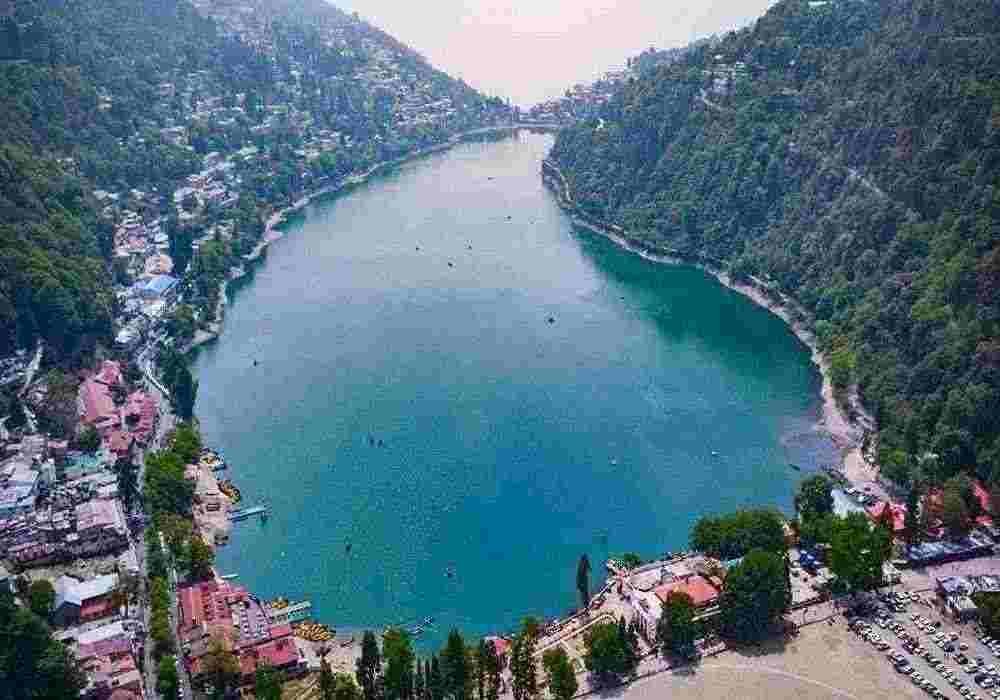
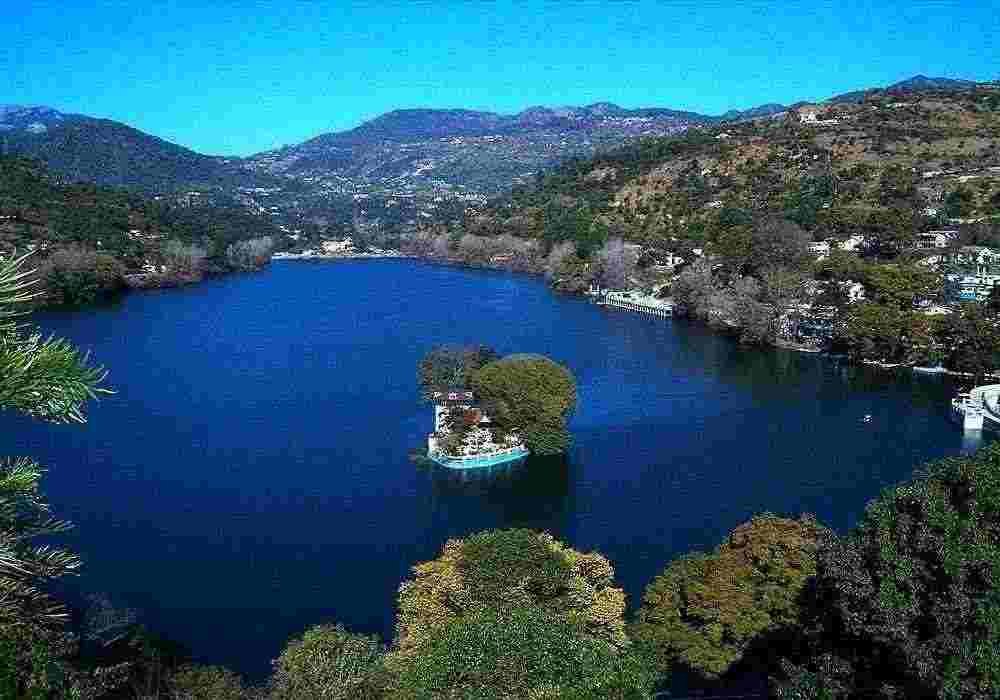
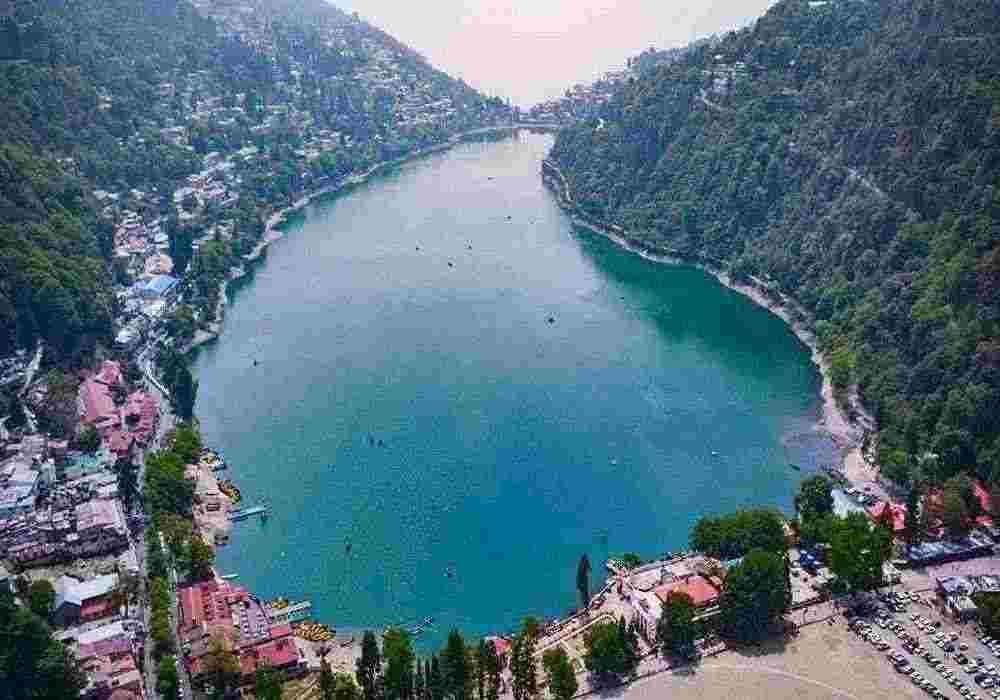
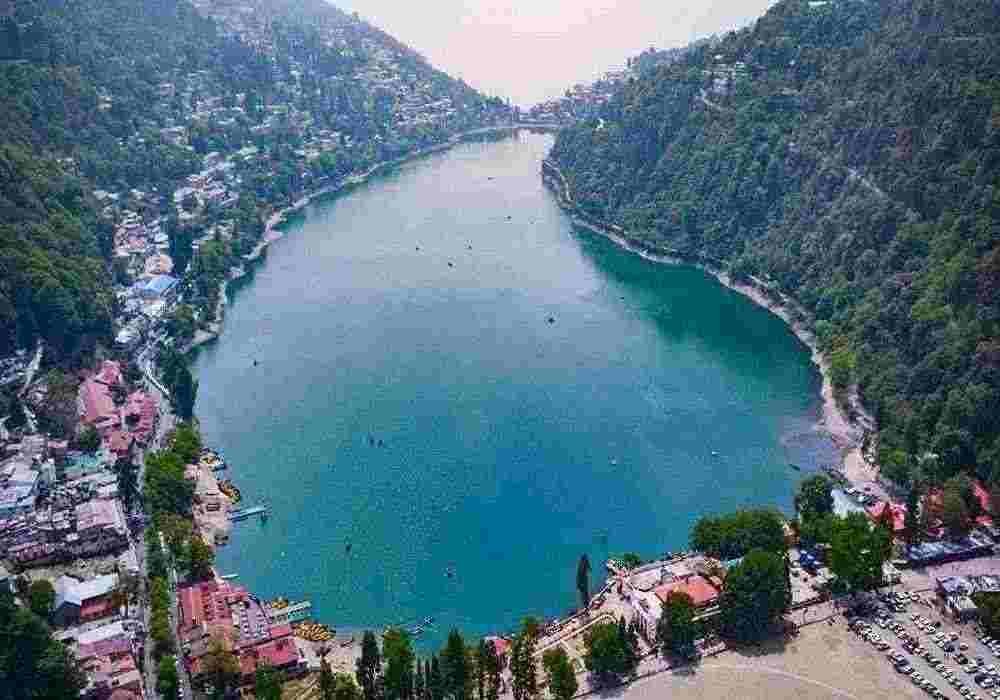
Nainital is famous for its beautiful lake surrounded by hills. The calm environment is perfect for relaxation.
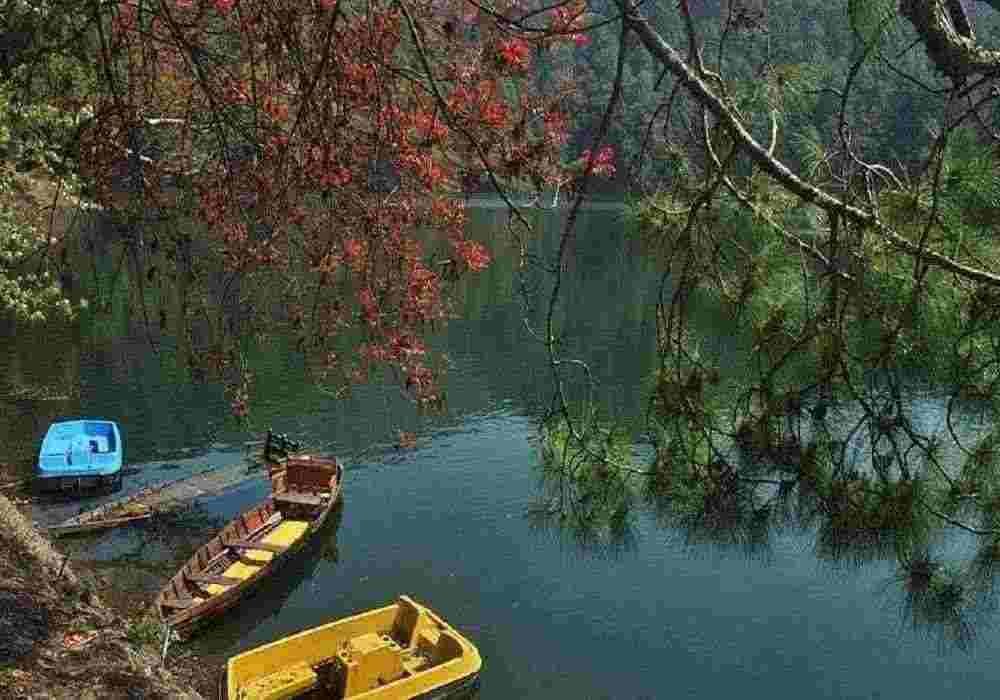
- Boating in Naini Lake
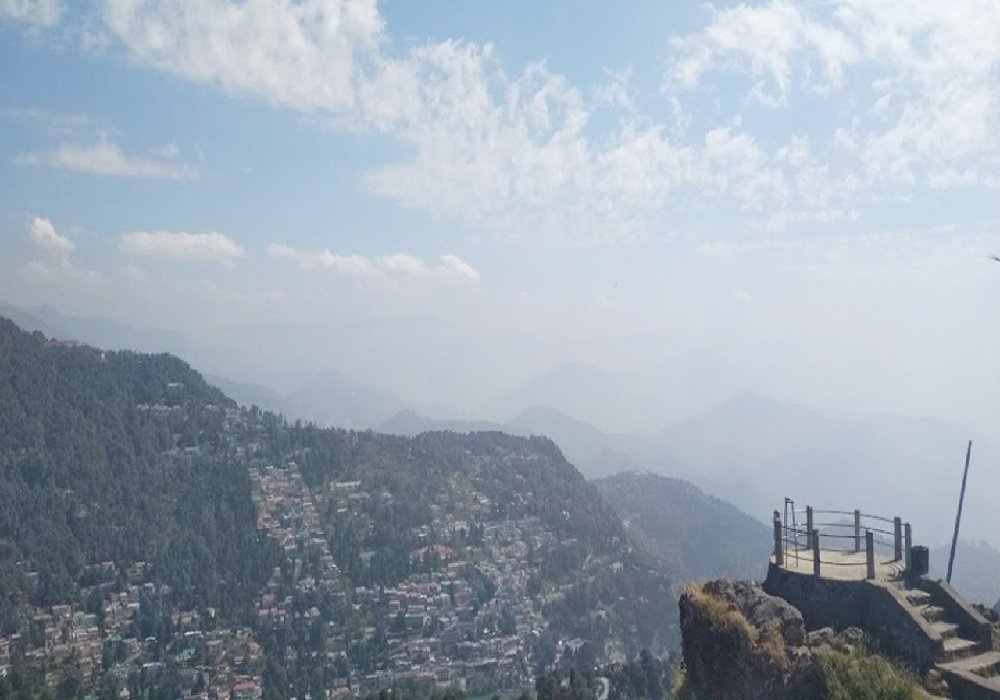
- Visit Snow View Point
- Walk on Mall Road
- Enjoy scenic views and cool weather
2. Naina Devi Temple (Spiritual Experience)
Located near the lake, this temple is one of the 51 Shakti Peethas. It holds special meaning for Uttarakhand residents.
If you have visited Garhwal temples, this completes your spiritual journey in Kumaon.3. Jim Corbett National Park (Wildlife Adventure)
This is the highlight of the trip.
- Early morning jungle safari
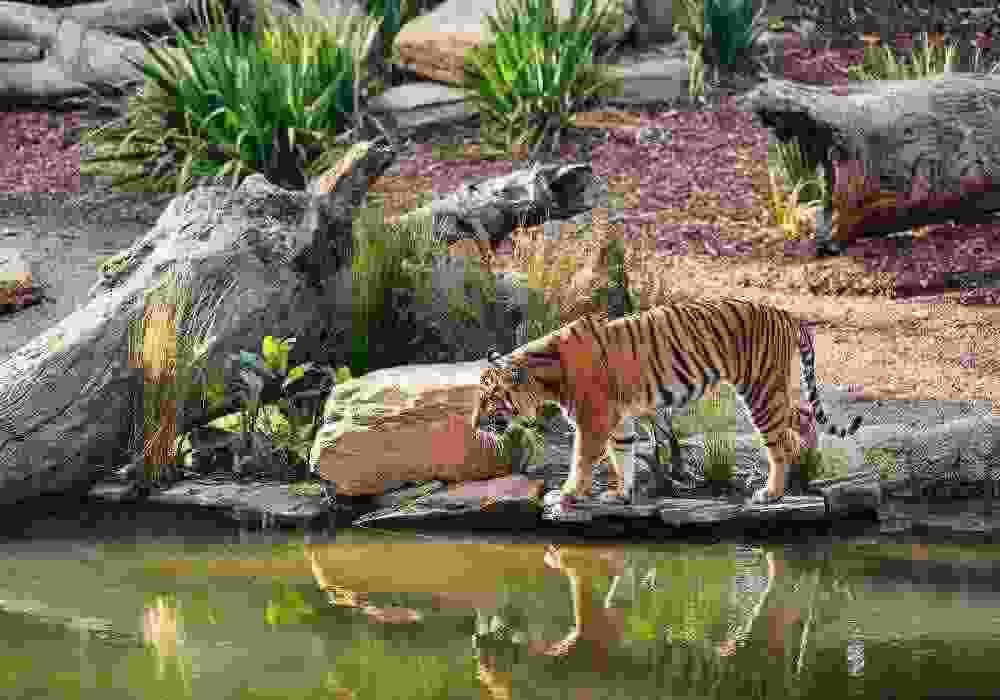
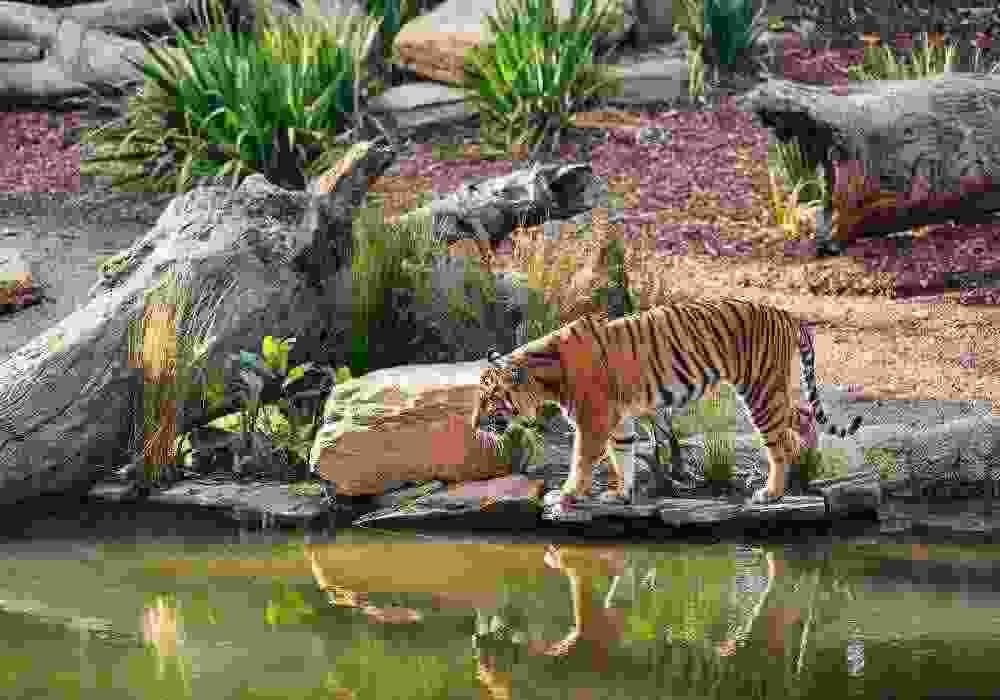
- Chance to see tigers, elephants, deer, and birds
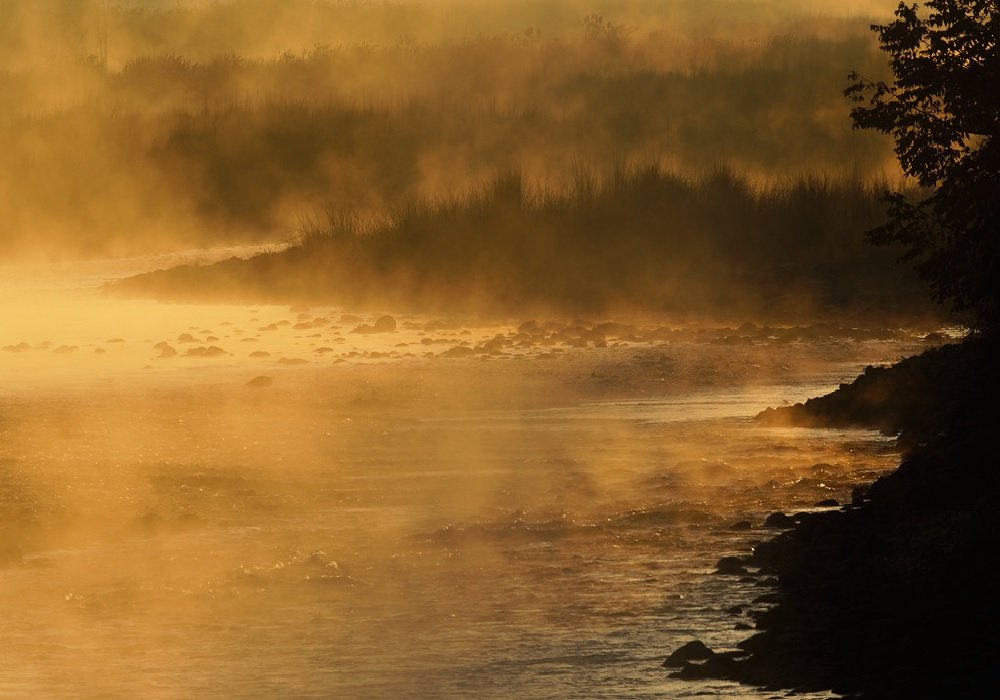
- Dense sal forests and river views
4. Garjia Devi Temple
Located near the Kosi River, this temple offers a peaceful and spiritual feeling. Nature and devotion come together here.
Rooms / Stay Experience
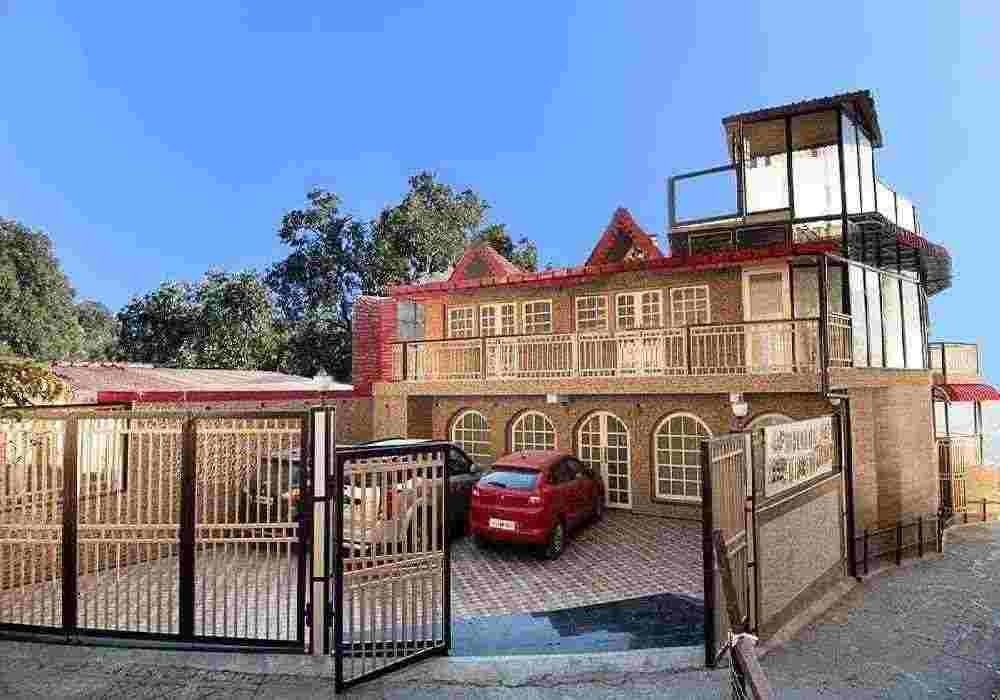
In this Dehradun to Nainital tour package, you stay in comfortable hotels and resorts.
- Clean and spacious rooms
- Basic modern facilities like hot water, TV, and room service
- Good locations near main attractions
- Peaceful environment for relaxation
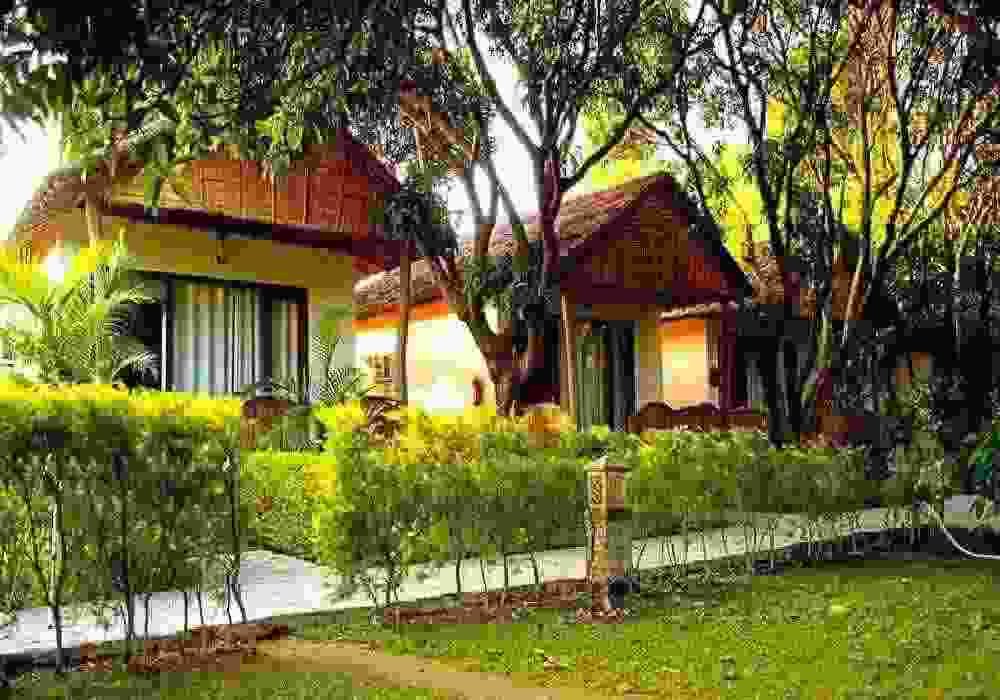
In Corbett, many stays are near forest areas, giving a natural and calm feel.
Food / Dining
Most Corbett Nainital Packages from Dehradun include meals.
- Simple and tasty North Indian food
- Breakfast and dinner are usually included
- Some hotels offer buffet options
- Fresh and hygienic meals
You can also explore local cafes in Nainital for snacks and street food.
Activities & Nearby Attractions
During this Dehradun to Nainital Tour package, you can enjoy:
- Boating in Naini Lake
- Ropeway ride (optional)
- Sightseeing points like Tiffin Top and Snow View
- Shopping at Mall Road
- Jungle safari in Corbett
- Visit to Garjia Devi Temple
These activities make the trip enjoyable for all age groups.
Important Tips for Dehradun Travelers
- Best Time to Visit: October to June
- Avoid the monsoon (July–September) due to heavy rain
- Book a safari in advance for Corbett
- Carry light woollens even in summer
- Winter (Dec–Feb) is best for snowfall in Nainital
- Start early for road journeys to avoid traffic
Spring (March–May) is perfect if you want cool weather away from Dehradun's heat.
Why Book Corbett Nainital?
Choosing the right travel partner matters.
- Well-planned itinerary
- Comfortable hotels
- Experienced local support
- Easy road travel arrangements
- Trusted service for Uttarakhand tours
This Corbett Nainital Tour from Dehradun is designed with real travel experience, keeping comfort and value in mind.
Conclusion
This Dehradun to Nainital & Jim Corbett Tour Package is a perfect short escape for anyone living in or near Dehradun. It gives you a mix of peaceful lakes, spiritual places, and exciting wildlife. You don't need long travel or flights, just a simple road trip within your own state.
If you want to explore a different side of Uttarakhand, this tour is worth it. It is easy, enjoyable, and full of memorable experiences.
Package Inclusions
- This is a sample
- List item
- Start Editing Here But
- Keep the formatting in this manner
- To achieve best results
Package Exclusions
- This is a sample
- List item
- Start Editing Here But
- Keep the formatting in this manner
- To achieve best results
FAQs - Dehradun to Nainital & Jim Corbett Tour Package
The distance is around 280–300 km and takes about 7–8 hours by road.
It is around 230 km and takes 5–6 hours depending on the route.
3 nights and 4 days are enough to explore both Nainital and Jim Corbett comfortably.
October to June is the best time. Avoid monsoon months.
Most packages include safari, but it is better to confirm while booking.
Yes, it is perfect for families, couples, and even solo travellers.
Yes, snowfall usually happens between December and February.
-
-
Day 1
-
Day 2
Full Day Nainital | Naina Devi Temple · Snow View · Naini Lake · Eco Cave · Mall Road
Begin at Naina Devi Temple — the Shakti Peetha Mata on the north shore of Naini Lake, one of India's 51 Shakti Peethas. For Uttarakhand's own residents visiting a Kumaon Devi shrine for the first time, this darshan carries particular meaning. Aerial ropeway to Snow View Point (2,270 m) — a Himalayan panorama different from Mussoorie's Lal Tibba and Kedarnath ridgelines. Naini Lake boating and Eco Cave Gardens visit. Free evening on Mall Road for Kumaoni shopping. Dinner at hotel. Overnight Nainital. Stay: Hotel, Nainital | Meals: Breakfast & Dinner -
Day 3
Garjia Devi Temple · Jim Corbett | Sacred Stop & Forest Arrival
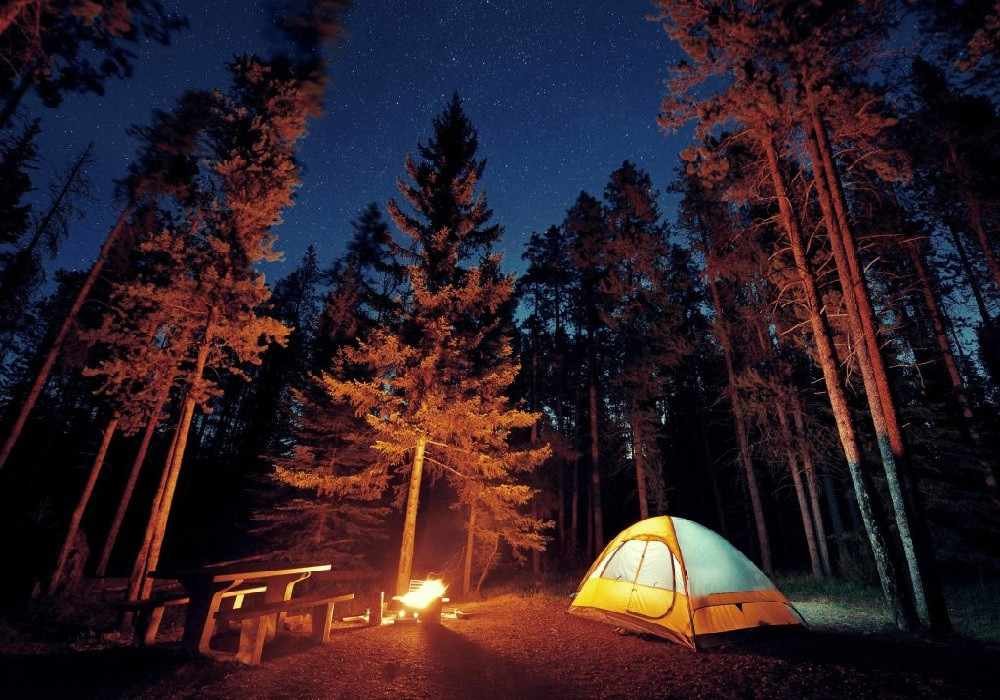
Post-breakfast checkout, drive Nainital to Jim Corbett (65 km, ~2 hrs) through the Kosi valley. En route, darshan at Garjia Devi Temple — Parvati on a Kosi River rock island, forest pressing in from all sides. A sacred Uttarakhand experience that even the most well-travelled Garhwali resident will not have encountered before. Check-in at jungle resort in Jim Corbett buffer zone — sal forest edge, forest-facing rooms. Afternoon guided nature walk. Campfire dinner. Overnight Jim Corbett. Stay: Jungle Resort, Jim Corbett | Meals: Breakfast & Dinner -
Day 4
Jungle Safari · Return to Dehradun
Pre-dawn wake-up for open-top jeep safari inside Jim Corbett National Park with expert naturalist guide. Track Bengal tigers, Asian elephants, mugger crocodiles, deer and 600+ bird species in Bijrani/Jhirna zone. The sal forest experience — dense, humid, riverine — is different from Rajaji's drier woodland in ways you will notice immediately. Return for packed breakfast and resort checkout. Private AC vehicle back to Dehradun (~3.5 hrs via Haldwani). Arrive Dehradun having completed a proper Kumaon circuit — lake, Shakti Peetha, Garjia Devi, and tiger reserve. Stay: Nil | Meals: Breakfast
-
Day 1
-
Following hotels are available in this tour package.
The Imperial Green
Over Mall, Jila Panchayat Rd, Mallital, Nainital, Uttarakhand 263001
Corbett Wild Iris Spa & Resort
Jim Corbett National Park, Village Kyari Kham, Nainital Road, Ramnagar, Uttarakhand 244715
-